Work & SkillsEntry PF-665736 · Page 09 · Stamped NOV 14, 2026
84% of Arab-State Workers Face Excessive Heat: Gulf Migrants Bear the Worst
An MPI podcast details heat risks for Gulf migrant workers: 84% of Arab-state workers face excessive heat, and kafala limits leave them exposed.
- Programme
- Work & Skills
- Filed
- Reading
- 3 min
Entry details
- 84% of the Arab-state workforce is exposed to excessive heat versus 71% globally (ILO)
- Migrants form nearly 90% of Qatar's population and over half the GCC's combined population
- Summer temperatures in Abu Dhabi can exceed 120°F / 50°C
- Outdoor-work bans typically cover June–September, but extreme heat now spans May to November
- Middle East and North Africa temperatures are rising twice as fast as the global average
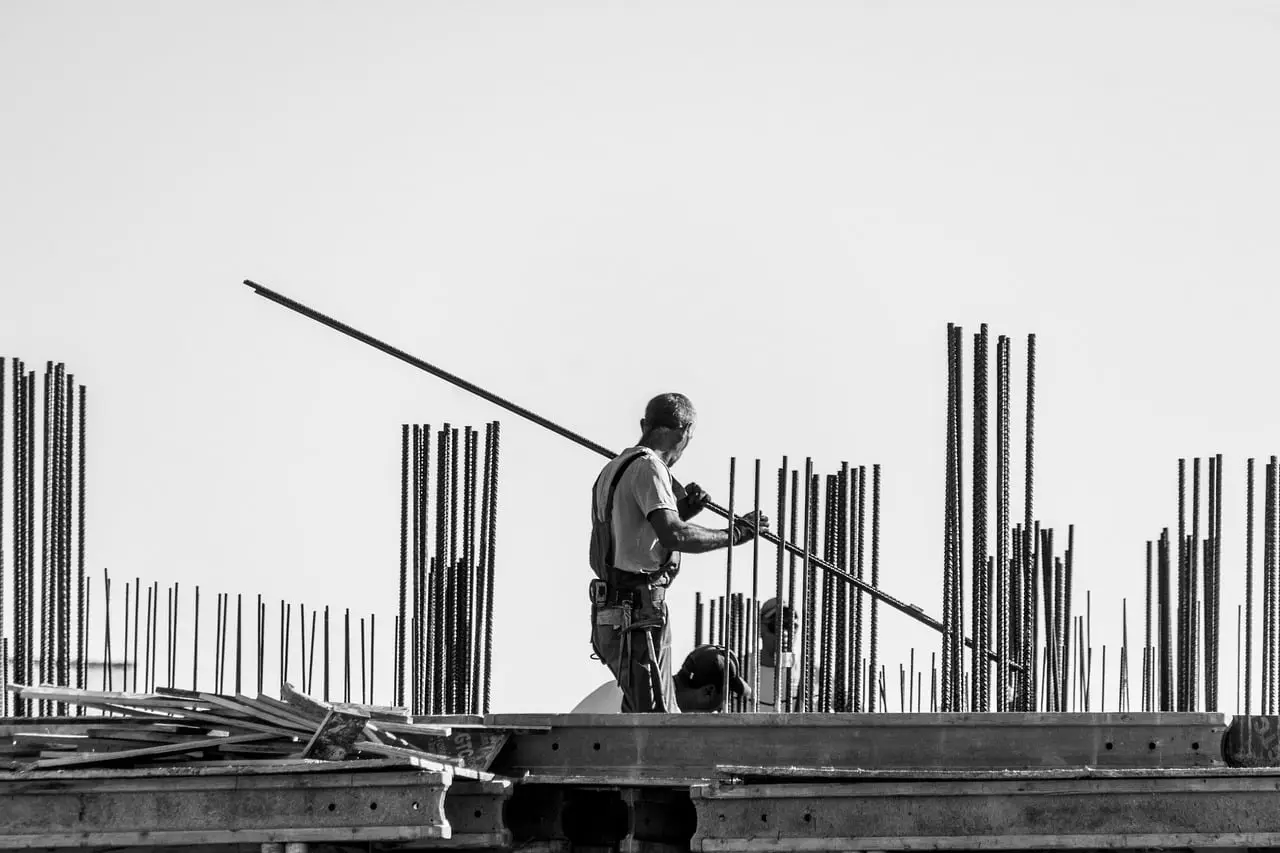
Some 84% of the workforce in Arab states is exposed to excessive heat, against 71% globally, according to the International Labour Organization figures cited in a new Migration Policy Institute podcast. The episode of Changing Climate, Changing Migration, hosted by MPI senior editor Julian Hattem, examines how rising temperatures hit migrant workers in the six Gulf Cooperation Council states.
Foreign nationals make up more than half of the combined populations of Bahrain, Kuwait, Oman, Qatar, Saudi Arabia and the UAE. In Qatar, migrants account for nearly 90% of all residents. Summer temperatures in places such as Abu Dhabi exceed 120 degrees Fahrenheit, about 50 degrees Celsius. Average temperatures across the Middle East and North Africa are rising twice as fast as the global average, and heat waves have grown longer.
Which jobs carry the highest risk?
Guest William Gois, regional coordinator of the Migrant Forum in Asia, an umbrella network of NGOs, said the Gulf attracts workers across the entire skill range. "From domestic worker to a pilot," he said. The bulk since the 1970s has worked in construction, infrastructure, agriculture and domestic work — the sectors behind the region's transformation, as he put it, from deserts into megacities of skyscrapers, roads and metro stations.
Asian and African workers dominate the outdoor, heat-exposed jobs: construction, delivery driving, security guarding. The World Health Organization estimates hundreds of thousands of people die each year worldwide from heat exposure, with more deaths in Asia, including the Middle East, than any other region.
What are the health and accountability gaps?
Gois pointed to a transparency problem. Many young migrant workers die with death certificates citing natural causes, typically heart failure, in age brackets of roughly 30 to 40. He questioned why such young people die, citing absent acclimatization: workers from cool climates such as Nepal enter 45–50 degree conditions and start work immediately, with no training beyond basic hydration advice.
He also described chronic kidney disease linked to dehydration that appears only after workers return home, some requiring daily dialysis with no family history of the condition. Workers also gather in parks at night because dormitories stay too hot. "It is easy to find a group of workers who will tell you that the employer has cut off the electricity and the water supply," Gois said of wage disputes. "This is not a one-off case." Employers sometimes cut power and air conditioning to push workers out of accommodation, he added, even where contracts and residence permits are valid.
How do the work-hour rules fall short?
Practically all Gulf countries ban outdoor work during set midday hours, and Gois said compliance is fairly strict. The problem is standardization. Regulated bans typically cover June to September, but extreme heat now runs from around May into November, leaving hot autumn days outside legal protection. He called for a model based on actual heat conditions rather than fixed calendar dates. Water distribution at worksites, including by philanthropists and government agencies, is common — but undocumented workers are left outside these arrangements.
What role does the kafala system play?
The kafala system ties workers to employers. Reforms in some states shifted the tie from the employer to the contract, and breach-of-contract complaints are now possible. In practice, Gois said, low-wage workers struggle with online systems, language barriers and missing documents, so mobility remains "very, very constrained" despite paper advances. Some improvements let workers file complaints before employers declare them undocumented, but Gois called these measures nebulous and in early stages. He urged governments to allow freedom of association, peer education and community organizations, noting that surveillance currently discourages such groups.
What can other regions learn?
Gois said heat will soon cover the planet's workplaces, and low-wage jobs filled by migrants — agriculture, construction, factories — face the sharpest exposure in Europe and North America too. He highlighted one Gulf good practice: platform companies operating hydration stations along delivery routes where motorbike riders can cool off and rest, a model he has not seen elsewhere. The takeaway: without mobility rights and accountability, the workers most exposed to extreme heat remain the least protected.
via migrationpolicy.org (Source)
More from Priya Raman
Show full bio
Market editor covering people, launches and day-to-day practice in Immigration and mobility policy worldwide at Passport File.
400 articles