Borders & EnforcementEntry PF-417490 · Page 19 · Stamped OCT 12, 2026
Canary Islands: Over 700 Migrants Rescued in Under 30 Hours
Spanish rescue services saved over 700 migrants in the Canary Islands in fewer than 30 hours, one of the busiest windows on the Atlantic route to Spain.
- Programme
- Borders & Enforcement
- Filed
- Reading
- 2 min
Entry details
- Over 700 migrants were rescued in the Canary Islands in fewer than 30 hours.
- The rescues occurred on the Atlantic migration route from West Africa to Spain.
- The Canary Islands are Spain's main entry point for irregular sea arrivals.
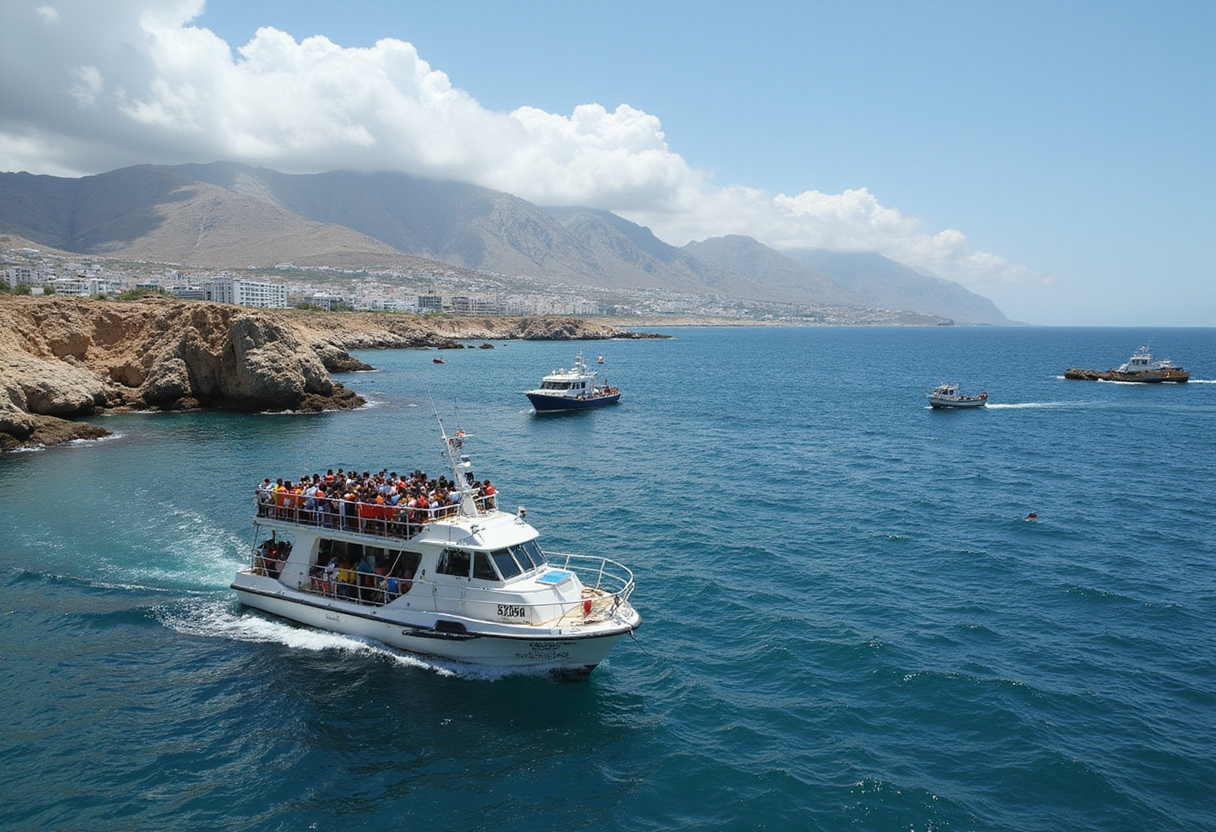
Spanish rescue teams pulled more than 700 migrants to safety in the Canary Islands in fewer than 30 hours, InfoMigrants reported, marking one of the most intense short-term rescue windows recorded on the Atlantic crossing to Spain.
The figure covers operations across the archipelago during a single sustained period, not a cumulative monthly total. It underscores how quickly arrivals can concentrate on the Canary route, where migrants travel from West African coasts in open fishing boats, often on journeys lasting a week or more.
What happened in the Canary Islands?
Rescue services intercepted and assisted the boats carrying the more than 700 people over the span of less than a day and a half. Each vessel typically carries dozens of passengers. Spain's maritime rescue agency coordinates these interventions after boats are spotted at sea or after distress calls reach emergency services.
The Canary Islands sit roughly 100 kilometres off the African coast at their closest point, yet most departing boats launch from far further south, in Mauritania and Senegal. That distance makes the route one of the longest and most dangerous irregular migration passages in the world.
Who is affected?
The rescued migrants enter Spain's reception and asylum procedures once they reach land. Authorities carry out identification, medical screening and registration at arrival points on the islands. People may then claim international protection under Spanish and European Union law, or face return procedures if they do not qualify to stay.
Local reception facilities on the islands regularly face pressure when large groups arrive within short windows, as happened with this rescue operation involving over 700 people in under 30 hours.
Why does the Atlantic route matter?
The Canary Islands have become the main entry point for irregular sea arrivals to Spain in recent years. The route surpassed the Mediterranean crossings to mainland Spain, and rescue volumes fluctuate sharply from month to month. Sudden spikes, such as dozens of boats arriving in a single day, strain both rescue coordination and island reception capacity.
The latest figures reported by InfoMigrants show how a single 30-hour period can add hundreds of people to the islands' arrival statistics.
What happens next?
Spain's government delegates the management of arrivals between the national migration authorities, the Canary Islands regional government and humanitarian organisations operating the reception network. Rescued migrants remain on the islands during initial processing, and transfers to mainland Spain occur depending on available places.
Readers following Spanish immigration rules should rely on official announcements from Spain's Ministry of Inclusion, Social Security and Migration, and on updates from the national maritime rescue service, Salvamento Marítimo, for confirmed figures on rescue operations.
This news summary does not constitute legal advice. Individuals with questions about asylum or migration procedures in Spain should consult official government sources or a licensed immigration representative.
via GN InfoMigrants (Source)
More from Priya Raman
Show full bio
Market editor covering industry trends and analytics at Passport File.
291 articles