Residence & CitizenshipEntry PF-576812 · Page 29 · Stamped OCT 30, 2026
Earned Settlement Row Deepens as UNISON Meeting Collapses
UNISON cancelled talks with the Home Secretary after a migrant worker was barred. Interim settled status, NHS surcharge figures and AI-fraud guidance also feature this week.
- Programme
- Residence & Citizenship
- Filed
- Reading
- 4 min
Entry details
- UNISON's Andrea Egan cancelled a Home Secretary meeting after a migrant worker was barred from attending, calling the decision 'cowardly and politically inexplicable'.
- Interim settled status under discussion would be granted after 5 years, free workers from sponsors, but keep no recourse to public funds until settlement at 10 years.
- The immigration health surcharge raised almost £2.5 billion for the NHS in 2024-25, then fell by over £100 million the following year.
- The surcharge is £1,035 a year for most people; migrants contribute at least 60% more than the government's estimate of their care costs once taxes count.
- An Iraqi national overturned a visit visa refusal in SIAC after the Home Office relied on 11 months' detention in Iraq based on false allegations.
By Priya Raman
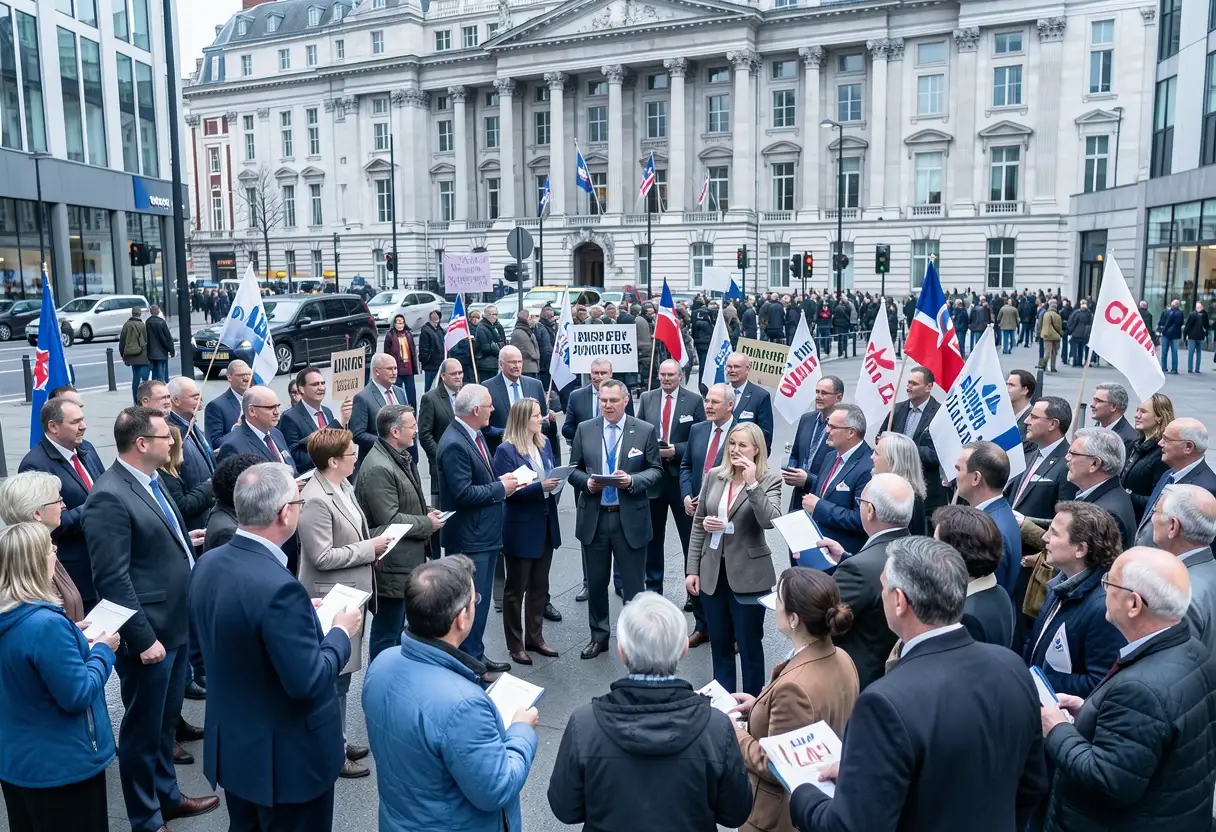
A meeting between UNISON and the Home Secretary over the UK's earned settlement proposals collapsed last week, after officials barred a migrant worker from attending. General Secretary Andrea Egan cancelled the talks. She called the decision 'cowardly and politically inexplicable'.
The stakes are large. Hundreds of thousands of people could be affected by earned settlement reforms. They still have no clear answers on how the changes will apply to them. Nor do they know whether any concessions will follow.
What could replace full settlement?
One alternative under discussion is 'interim' settled status, should the government press ahead with reform. The Future Governance Forum has set out how it would work.
Under this model, workers would receive interim status after five years. That status would free them from their sponsoring employer. However, the no recourse to public funds condition would remain until full settlement at ten years.
Supporters argue this would soften the damage of long stretches of insecure status. Prolonged insecurity harms integration. It also leaves sponsored workers exposed to exploitation by employers who hold visa leverage over them.
Takeaway: Interim status would loosen employer ties at five years but keep benefit restrictions until year ten.
Is the immigration health surcharge value for money?
The Nuffield Trust has examined the immigration health surcharge and its link to NHS funding. The numbers matter for practitioners tracking policy pressure points.
- The surcharge raised almost £2.5 billion for the NHS in 2024-25.
- In the following year, income fell by over £100 million as migration to the UK declined.
- The surcharge currently stands at £1,035 a year for most people, with discounts for children and students.
The trust suggests the surcharge may overstate the actual cost of migrants' care to the NHS. Once their taxes are counted, migrants contribute at least 60% more than the government's estimate of their care costs. Concerns persist that surcharge income could fall further as migration declines.
Gaby Hinsliff's column on the topic adds a broader warning: the economy and the NHS need immigration, and policies that make foreign workers' lives harder will drive away the people who make a substantial contribution.
Takeaway: Migrants pay more in surcharge and tax than their estimated NHS costs, yet the levy's revenue is already falling.
How should decision-makers handle suspected AI-fabricated documents?
New Upper Tribunal guidance addresses suspected fraudulent applications. It covers cases where supporting documents may have been fabricated using AI. The tribunal recognised that tools for creating fake documents are 'becoming readily available and are rapidly improving in sophistication'.
For practitioners, this guidance will shape how fraud allegations are raised, tested and answered in appeals and applications.
Takeaway: Tribunal guidance now treats AI-generated fake documents as a live evidential issue.
Can a detention history justify a visa refusal?
An Iraqi national successfully challenged a visit visa refusal in the Special Immigration Appeals Commission. The Home Office had refused his application because his presence in the UK was deemed not conducive to the public good.
The department relied on the 11 months he spent in detention in Iraq. That detention followed false allegations against him. The appellant represented himself in the case — with his own son acting as his legal representative.
Takeaway: Detention based on false allegations cannot automatically support a 'not conducive' refusal.
What else is in the toolkit for challengers?
Rebecca Hacker of the Public Law Project has published a new explainer. It sets out how to use the public sector equality duty to hold the Home Office to account when challenging immigration decisions.
What we are reading
- Unions slam Reform's plan to turn council workers into 'Trump-style deportation police' — The Bureau of Investigative Journalism, 19 October 2026
- 'Missing Pieces: Transparency and Accountability in Public Body Automated (and Automated Assisted) Decision-making' — Public Law Project, 20 October 2026
- 'Only a matter of time until mass casualty event in Channel', border chief warns — The Independent, 21 October 2026
- King's report urges reform of DNA testing in UK immigration cases — King's College London, 16 October 2026
- Influential people urge government: reinstate Refugee Family Reunion — Women for Refugee Women, 20 October 2026
- Home Office lifts deportation order for man, 62, who has lived in UK for 50 years — The Guardian, 21 October 2026
- Fire at proposed asylum seeker accommodation in UK village treated as arson — The Independent, 23 October 2026
- Burnham backs Mahmood on immigration but fails to fully commit to ILR plans — LBC, 23 October 2026
The earned settlement picture remains the one to watch. Until the Home Office publishes detail, affected workers and their advisers can only plan against proposals, not rules.
via newsletter.freemovement.org.uk (Original)
More from Priya Raman
Show full bio
Market editor covering people, launches and day-to-day practice in Immigration and mobility policy worldwide at Passport File.
425 articles
- earned-settlement
- interim-settled-status
- migrant-workers
- immigration-health-surcharge
- ai-fabricated-documents