Migration DataEntry PF-250978 · Page 19 · Stamped SEP 29, 2026
IOM Releases DTM Serbia Migration Report for Q1 2026
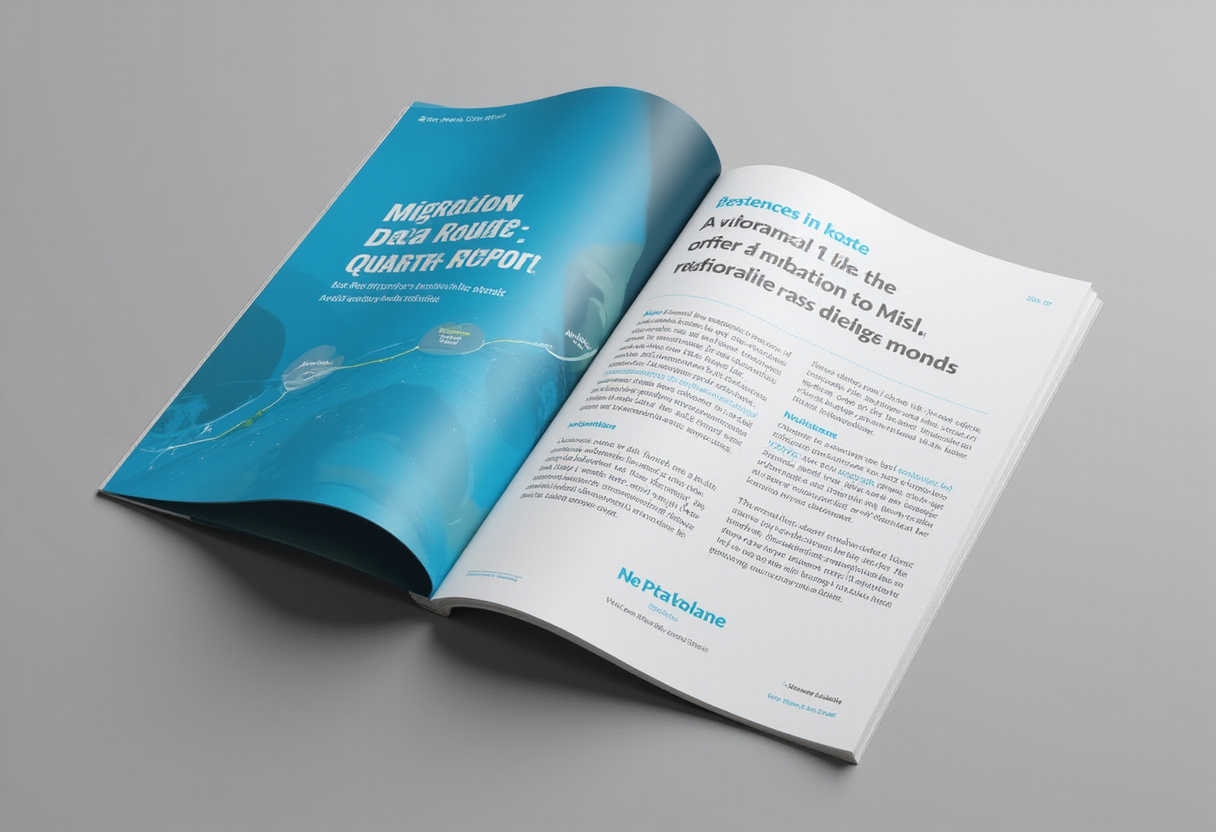
IOM's DTM has published its Serbia Migration Data and Routes Quarterly Report for January–March 2026, tracking transit flows on the Western Balkans route. Figures are in the full ReliefWeb document.
- Programme
- Migration Data
- Filed
- Reading
- 3 min
Entry details
- IOM's DTM published its Serbia Migration Data and Routes Quarterly Report for January–March 2026
- The report is distributed through ReliefWeb as part of an ongoing quarterly series
- Serbia lies on the Western Balkans route, a main corridor towards EU member states
The International Organization for Migration's Displacement Tracking Matrix (DTM) has published its Serbia Migration Data and Routes Quarterly Report covering January through March 2026. The document is distributed through ReliefWeb and provides the latest regular snapshot of mixed migration movements through Serbian territory.
DTM quarterly reports on Serbia track who is moving through the country, which routes they use, and how conditions at reception and transit points change over time. Serbia sits on the Western Balkans route, one of the main corridors for people moving towards European Union member states, and the quarterly dataset serves governments, humanitarian agencies and researchers who need current figures for planning and policy analysis.
The report's publication through ReliefWeb makes it available to a global audience of humanitarian and migration policy actors. Readers who follow Western Balkans migration trends can compare the January–March 2026 figures with earlier DTM quarters to identify shifts in route usage, nationalities in transit, and volumes at key monitoring points.
What the report covers
DTM Serbia reports typically compile data collected at reception centres and transit points across the country. Each quarterly edition records the number of people registered, the main countries of origin recorded among transit populations, and observed changes in the routes people use when crossing or passing through Serbia.
The January–March 2026 edition continues that series. Because the full dataset sits in the published report itself, readers should consult the document on ReliefWeb for the exact registration numbers, origin breakdowns and route descriptions for the quarter.
Why the quarterly series matters
Migration through the Western Balkans moves in response to border enforcement changes, seasonal conditions and policy shifts in neighbouring EU states. Quarterly DTM data gives analysts a consistent, comparable baseline: the same methodology applied each quarter across the same monitoring locations. That consistency allows readers to distinguish a genuine trend from a one-off fluctuation.
For policy professionals, the Serbian data links to DTM reporting from other countries on the route, including Bosnia and Herzegovina, North Macedonia, Greece and Hungary. Read together, these reports describe how enforcement at one border often redirects flows to another crossing point.
Who should read it
The report serves national authorities managing reception capacity in Serbia, international organisations coordinating assistance, and researchers tracking movement patterns along the Western Balkans corridor. Journalists covering EU external migration policy also use the quarterly figures to anchor reporting on changing route dynamics.
Anyone needing the quarter's precise registration totals, demographic breakdowns or route maps should retrieve the full report from ReliefWeb, which hosts the document alongside previous editions in the DTM Serbia series. The report presents observed data for the stated reporting period only; it does not project future movements.
Where to find it
The DTM Serbia Migration Data and Routes Quarterly Report for January–March 2026 is available on ReliefWeb. Earlier quarterly editions remain accessible on the same platform for comparison. Readers seeking official guidance on entry rules, asylum procedures or registration requirements in Serbia should consult the relevant Serbian government authorities, as the DTM report documents movement patterns rather than legal procedures.
via GN Migration Statistics (Source)