Work & SkillsEntry PF-959485 · Page 46 · Stamped OCT 30, 2026
Malta Budget 2027: Eco-Tax Rises to €10 a Night and Work Permits to €800
Malta's Budget 2027 raises the tourist eco-tax to €8-€10 per night, lifts non-EU work permit fees to €800 plus €400 a year, and increases ferry fares for non-residents from 1 January 2027.
- Programme
- Work & Skills
- Filed
- Reading
- 4 min
Entry details
- From 1 January 2027 Malta's eco-contribution rises to €8 per night for collective accommodation and €10 for short-let apartments.
- New non-EU work permit fees rise from €600 to €800, with an additional €400 annual fee for new applicants and renewals.
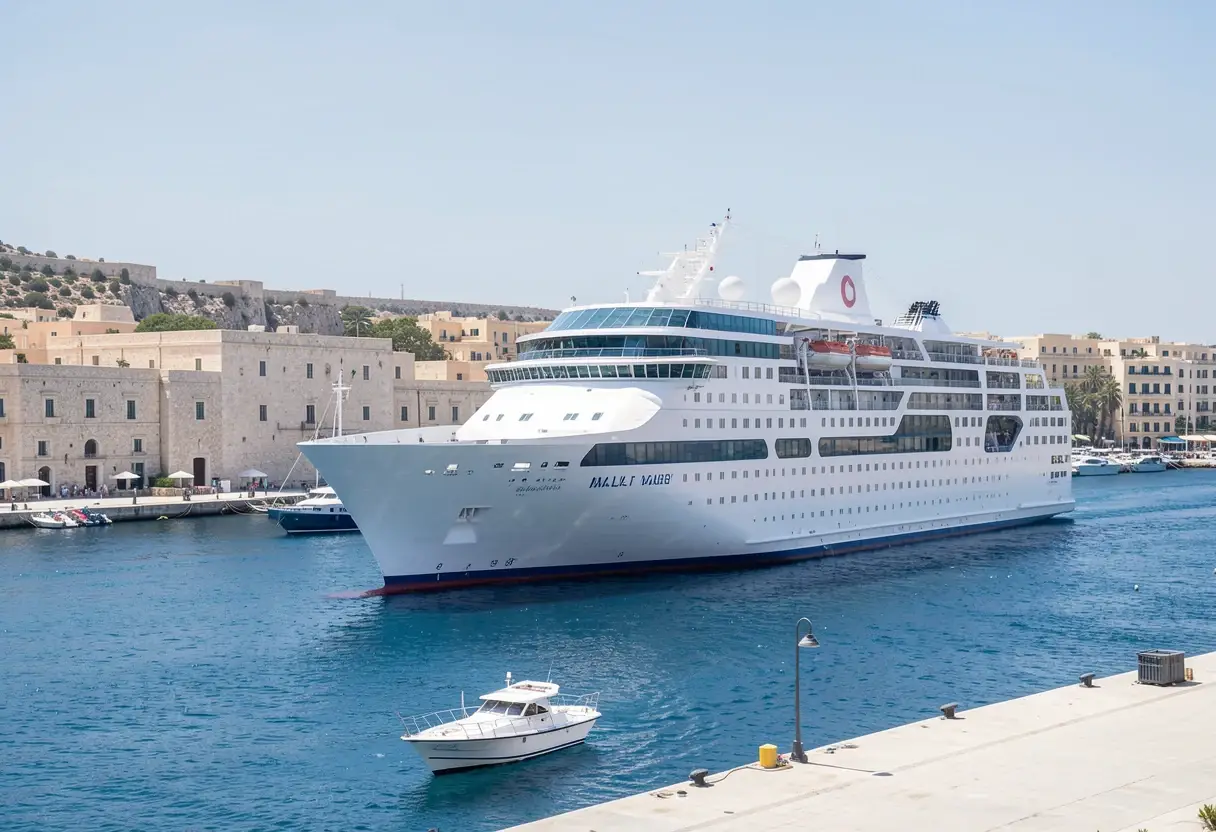
- A new €10 charge applies to cruise passengers who disembark in Malta and reboard, and a €5 charge to non-resident Comino visitors.
- Gozo Channel adult fares for non-residents rise from €4.65 to €11 per crossing.
- The revised accommodation rates are estimated to generate around €182 million in revenue.
Malta will raise its nightly eco-contribution on tourist accommodation to €8 for hotels and €10 for short-let apartments from 1 January 2027, and will increase the fee for a new non-EU work permit from €600 to €800, under measures announced in Budget 2027 by Finance Minister Clyde Caruana.
The Budget, presented by Caruana, raises charges across tourism, labour migration, transport and tax administration. Caruana said the accommodation increases were necessary to provide additional resources for the tourism product and address pressure on infrastructure. The revised accommodation rates are estimated to generate around €182 million, and the higher work permit fees around €80 million.
What changes for tourists?
The eco-contribution on accommodation applies to people aged over 18. For collective accommodation, the rate rises to €8 per person per night, capped at €64. For short-let apartments, the rate will be €10 per person per night, capped at €80.
The requirement for English-language schools to pay the eco-contribution will be removed.
A new €10 environmental contribution will apply to cruise passengers who disembark in Malta and reboard the same vessel. Passengers whose cruise begins in Malta are exempt. Non-resident visitors to Comino will pay a €5 charge through the existing booking system used for the Blue Lagoon.
Tourists and non-residents will also pay more to travel between the islands. Fast ferry fares rise by €3 per journey, and Gozo Channel fares for non-residents increase as follows:
- Adult passenger: from €4.65 to €11
- Child: from €1.15 to €7
- Vehicle with driver: from €15.70 to €22
- Vehicle with driver and one adult passenger: €33
- Vehicle with driver, one adult and one child: €40
Annual registration fees for vessels of 10 metres or more will also increase, depending on length and category. Professional fishermen are exempt.
In short, every visitor staying in paid accommodation, arriving by cruise ship, crossing to Gozo or visiting Comino will pay more.
What does the Budget change for non-EU workers?
The fee for a new work permit application for workers from outside the European Union rises from €600 to €800. An additional annual fee of €400 will apply to both new applicants and those renewing their permits. Fees for various other permits issued by Identità, Malta's identity agency, will also increase.
The Government estimates these higher work permit fees will generate around €80 million.
Non-EU workers also face new rules on driving licences. For individuals granted a residence permit, the 12-month period during which they may use a foreign driving licence will no longer restart if they leave Malta and later return. A monthly administrative fee of €83 will be introduced for third-country nationals holding certain Category B and B1 driving licences issued or renewed from January.
The message for employers is direct: hiring a third-country national from 2027 will cost €800 up front plus €400 every year.
Who keeps access to free transport and childcare?
From 1 January, eligibility rules for free public transport and the atypical work cheque change. These benefits remain available to Maltese and Gozitan nationals, EU citizens and people with long-term resident status. Third-country nationals without long-term resident status fall outside the new criteria.
The same criteria apply to free childcare:
- Maltese and Gozitan nationals
- EU citizens residing in Malta
- People with long-term resident status
Families already using childcare will retain eligibility until their children reach the age at which they no longer qualify.
Existing childcare users keep their place; new applicants must meet the tightened criteria.
What is new in tax compliance?
Measures will be introduced to ensure that the full value of developments involving the sale of airspace or land alongside separate works contracts is disclosed.
For transactions covered by a new construction-sector mechanism, responsibility for calculating and declaring VAT shifts from the supplier to the purchasing business.
An administrative penalty system will be introduced for failures involving fiscal invoices and receipts:
- First offence: €100
- Second offence: €200
- Third offence: €400
- Fourth and subsequent offences within 24 months: €500 each
If the penalty is paid within 30 days, criminal liability for the offence covered by the penalty is extinguished. Court-imposed fines for offences under VAT legislation will increase.
Guidelines will also be drawn up to clarify how the VAT exemption on food should be applied, particularly to ready-to-eat food sold by supermarkets and other retailers.
The Budget 2027 measures take effect from 1 January 2027, and full details are set out in the Budget documentation published by the Maltese Government.
via GN Work Permits (Source)
More from Nathan Brooks
Show full bio
Correspondent covering regulation, policy and their impact on Immigration and mobility policy worldwide at Passport File.
390 articles