Borders & EnforcementEntry PF-950129 · Page 02 · Stamped OCT 14, 2026
Sea-Watch Rescues 227 Migrants in Central Mediterranean
Sea-Watch rescued 227 migrants in the Central Mediterranean amid reported harassment by Libyan actors, underscoring risks on the deadliest migration route to Europe.
- Programme
- Borders & Enforcement
- Filed
- Reading
- 3 min
Entry details
- Sea-Watch rescued 227 migrants in the Central Mediterranean.
- Crew members reported harassment by Libyan actors during the operation.
- The Central Mediterranean is the world's deadliest migration route.
- Libya is not considered a place of safety for rescued migrants by UN agencies.
- Civilian rescue ships typically disembark survivors at ports in Italy or Malta.
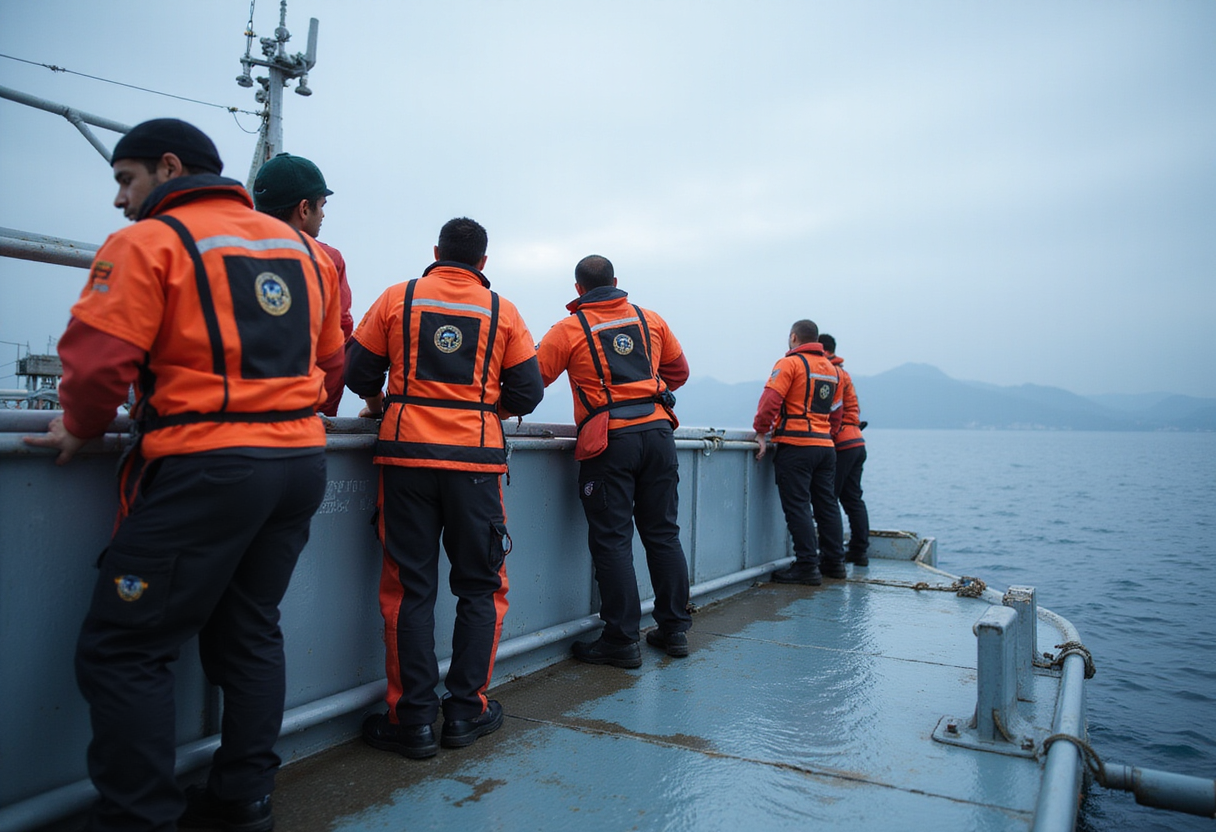
German NGO Sea-Watch rescued 227 migrants in the Central Mediterranean, with crew members describing what they called harassment by Libyan actors during the operation. The incident highlights the pressures facing civilian rescue ships on the world's deadliest migration route.
The rescue took place in international waters of the Central Mediterranean, the corridor between North Africa and Europe that has recorded the highest number of migrant deaths globally for several years running. Sea-Watch, one of the most established civilian rescue organisations in the region, carried out the operation with its crew reporting interference from Libyan forces as they worked.
Who was rescued?
The 227 people pulled from the sea were migrants attempting the crossing from North Africa toward Europe. Crews routinely rescue people from overcrowded, unseaworthy dinghies that depart Libyan and Tunisian shores. Survivors typically include men, women and children from sub-Saharan Africa, the Middle East and South Asia.
Sea-Watch crews stated that Libyan actors engaged in what the organisation characterised as harassment during the rescue. Civilian rescue ships in the Central Mediterranean have repeatedly reported such incidents, including interceptions by armed vessels and attempts to force boats back toward Libya.
The takeaway: 227 people are alive because a civilian crew reached them first.
What does the rescue route look like?
The Central Mediterranean passage from Libya and Tunisia to Italy and Malta remains the most dangerous migration route in the world. International bodies, including the UN's migration agency, have documented thousands of deaths on this corridor in recent years.
Civilian NGOs such as Sea-Watch operate in the search-and-rescue zone north of Libya. Their ships patrol areas where distress calls occur and conduct rescues under maritime law obligations. Any vessel that encounters people in distress at sea must render assistance.
Libyan coastguard forces, trained and equipped largely through European Union support, also operate in these waters. Their stated mandate is to intercept migrant boats and return passengers to Libya. Human rights organisations have documented abuse of returned migrants in Libyan detention facilities.
In short: two rescue systems operate in the same waters with opposite destinations.
Why does Libyan 'harassment' matter?
Sea-Watch's account of harassment fits a documented pattern reported by multiple civilian rescue groups operating north of Libya since 2017. NGOs have described vessels approaching rescue operations at speed, firing warning shots in past incidents, and attempting to compel migrant boats to turn back toward Libyan territory.
Under international maritime law, people rescued at sea must be delivered to a place of safety. UN agencies do not consider Libya a place of safety for migrants. This creates friction whenever Libyan forces attempt to assert control over rescue scenes in international waters.
For rescue crews, interference means delayed extractions, higher risk of capsizing and difficult judgement calls under pressure. For migrants, the difference between a civilian ship and a Libyan patrol boat can determine whether they reach Europe or return to detention.
The point is simple: contested waters make every rescue slower and riskier.
What happens to the 227 survivors?
Following rescue, civilian ships typically request a designated port from coastal states, usually Italy or Malta. Assignment of a safe port can take days, during which survivors remain aboard the rescue vessel.
Upon disembarkation, asylum seekers may apply for international protection under EU procedures. Unaccompanied minors receive separate processing. Adults whose claims fail face possible return procedures under European immigration law.
Readers should rely on official notices from Italy's Interior Ministry, Malta's authorities and UNHCR for confirmation of disembarkation details and outcomes. The situation for people rescued at sea can change quickly, and individual cases require professional legal advice.
The bottom line: 227 people now await a port, and their protection claims are only beginning.
By Priya Raman
via GN InfoMigrants (Source)
More from Priya Raman
Show full bio
Market editor covering people, launches and day-to-day practice in Immigration and mobility policy worldwide at Passport File.
331 articles