Borders & EnforcementEntry PF-665531 · Page 44 · Stamped SEP 29, 2026
Supreme Court Clears Way for Trump Immigration Policy Revival
The U.S. Supreme Court has cleared the way for the Trump administration to revive a restrictive immigration policy, allowing reinstatement while litigation over the measure's legality continues in lower courts.
- Programme
- Borders & Enforcement
- Filed
- Reading
- 3 min
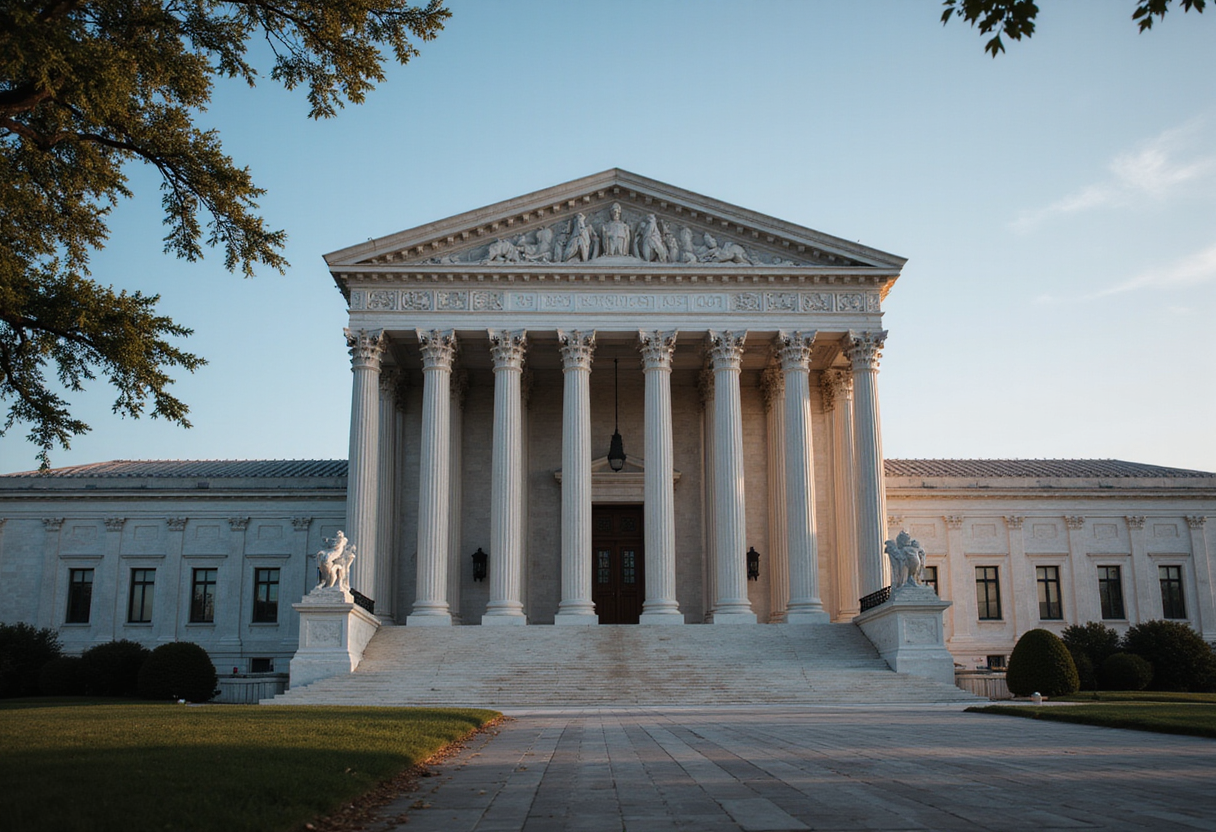
Entry details
- The U.S. Supreme Court cleared the way for the Trump administration to revive a restrictive immigration policy.
- The ruling allows reinstatement of the policy while litigation over its legality continues in lower courts.
- The decision does not resolve the underlying merits of the case; enforcement can proceed in the meantime.
The U.S. Supreme Court has cleared the way for the Trump administration to revive a restrictive immigration policy, according to a report by PBS. The decision removes a key legal obstacle and allows the administration to move forward with reinstating a measure it had sought to bring back since taking office.
The ruling marks a significant shift in the ongoing legal tug-of-war over U.S. immigration enforcement. For months, the administration's effort to restore the policy had been blocked in the lower courts. The Supreme Court's action now changes that picture, permitting the government to put the restrictive policy back into effect while related litigation continues.
What changed
The Supreme Court's decision is procedural in nature but with substantial practical consequences. By clearing the path for reinstatement, the justices have effectively handed the administration a green light to revive the policy without waiting for a final judgment on its legality.
Under the American system, such rulings on emergency applications — often referred to as the "shadow docket" — do not resolve the underlying merits of a case. Lower courts can still examine whether the policy complies with federal law. In the meantime, though, the government may enforce it.
Who is affected
The group most directly affected consists of people subject to the restrictive policy once it returns to force. That includes migrants and asylum seekers whose cases will now be processed under the revived rules rather than under the framework that applied while the policy was blocked.
Advocates who had challenged the policy argued that reinstatement would expose affected migrants to heightened risks and sharply reduce access to protections. The administration countered that the measure is a lawful exercise of executive authority over immigration enforcement and is needed to manage flows at the border.
Why it matters
The decision matters for three reasons.
First, it restores a tool the administration considers central to its immigration agenda. The government had repeatedly asked the courts to allow enforcement while litigation proceeded, and the Supreme Court has now granted that request.
Second, it signals how the justices may view the legal questions at stake. While the ruling is not a final verdict, the outcome suggests the administration's position has found sympathy at the highest court.
Third, it resets expectations for migrants, attorneys, and advocacy organizations. Any litigant or applicant touched by the policy should track announcements from the Department of Homeland Security and related agencies, which publish the operational details and effective dates of such changes. The precise mechanics of reinstatement — including timing and application at the border — are set through official federal channels, not through court orders themselves.
What comes next
Litigation over the policy's legality will continue in the lower courts. Those proceedings could still produce rulings that limit or halt the policy again, and any such decision could itself return to the Supreme Court.
For now, the practical effect is clear: the administration may revive and enforce the restrictive immigration policy. Migrants and asylum seekers in affected categories, along with their representatives, should monitor official government sources for confirmation of the reinstatement date and the exact procedures that will apply once the policy is back in force.
Passport File will continue to track this story as the courts and the administration take their next steps.
via GN Deportations (Source)
More from Priya Raman
Show full bio
Market editor covering industry trends and analytics at Passport File.
127 articles