Borders & EnforcementEntry PF-845894 · Page 23 · Stamped OCT 30, 2026
Supreme Court Lets Stand Injunction Against Administrative Closure
The Supreme Court rejected an appeal to preserve administrative closure, leaving in place an injunction against the 2024 policy that paused roughly 360,000 deportation cases since 1990.
- Programme
- Borders & Enforcement
- Filed
- Reading
- 3 min
Entry details
- The Supreme Court rejected the appeal on Tuesday without explanation.
- Approximately 360,000 migrants have received administrative closure since 1990.
- The Biden administration formally established the policy in 2024.
- Texas won a permanent injunction blocking the policy in federal court.
- Administratively closed cases remain pending and could return to active deportation proceedings.
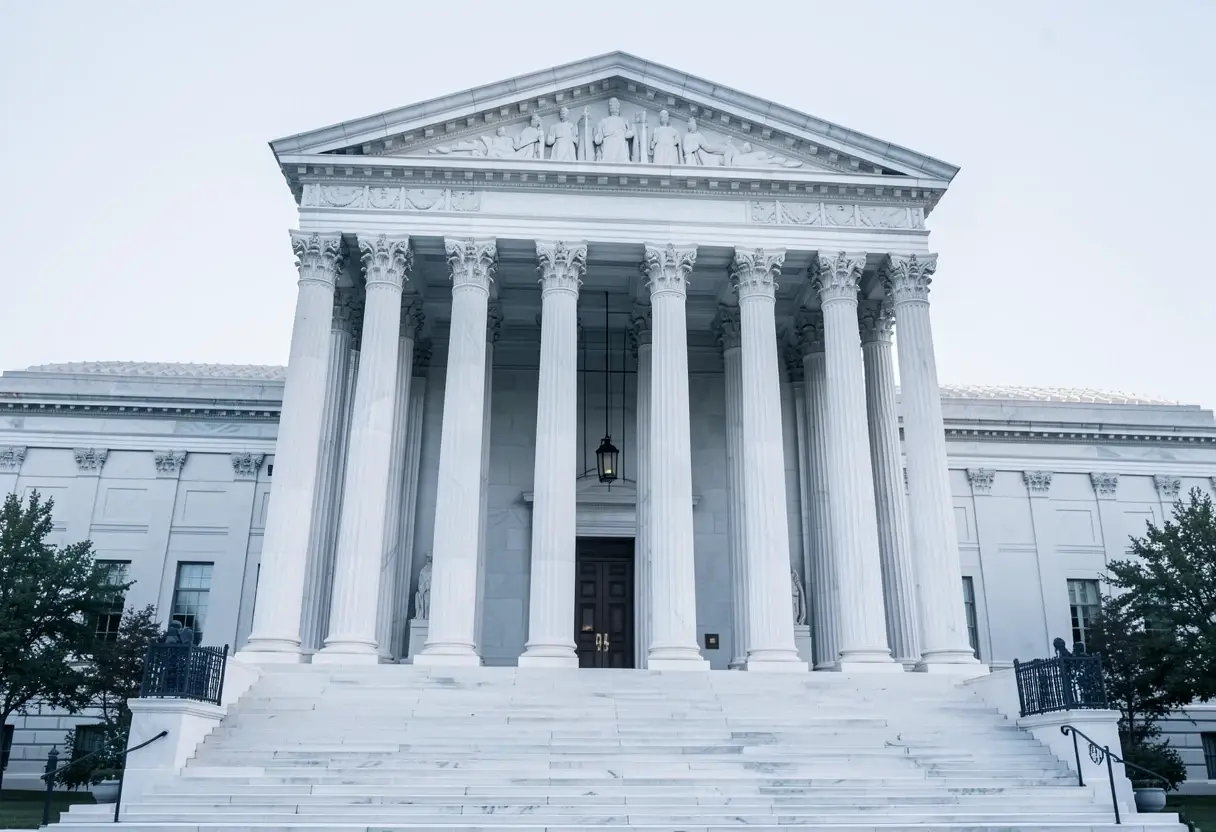
The Supreme Court on Tuesday rejected an appeal seeking to preserve a Biden-era policy that let immigration judges temporarily pause deportation cases. The decision, issued without explanation, clears the way for the Trump administration to keep restricting the practice nationwide.
What does the ruling change?
The policy at issue is known as administrative closure. It gives immigration judges discretion to remove certain cases from their active schedules without dismissing them, allowing judges to manage overwhelming caseloads.
Administratively closed cases stay pending on the books. They are not automatically reopened, but any of them could be returned to active deportation proceedings. That single mechanism sits at the centre of the dispute.
The justices in Washington rejected the appeal filed by three cities and an immigrant rights group that wanted to preserve the policy. According to The Washington Post, the court offered no explanation for its decision.
The practical effect is straightforward: a permanent injunction issued by a federal judge in Texas, blocking the policy, now stands. The Trump administration no longer needs to defend the rule in court.
Who is affected?
The policy matters most to migrants whose cases were paused rather than resolved. Administrative closure has given some migrants time to pursue legal options to remain in the United States, including crime victims and neglected children.
The numbers are large. Approximately 360,000 migrants have received administrative closure since 1990, according to government statistics. The practice has existed in various forms for decades.
Critics of the procedure call it a form of backdoor amnesty. Supporters frame it as a docket-management tool for immigration courts buried in backlogs.
For migrants with administratively closed cases, the takeaway is that their files remain pending and could return to active deportation proceedings, though no automatic reopening follows from the ruling itself.
How did the case reach the Supreme Court?
The timeline explains the dispute:
- The practice of administrative closure operated in various forms for decades, with roughly 360,000 cases paused since 1990.
- The first Trump administration attempted to prohibit its use.
- The Biden administration formally established the policy in 2024.
- Trump returned to office in 2025, and his administration stopped defending the rule.
- Texas challenged the policy in federal court, and a judge issued a permanent injunction blocking it.
- Baltimore, Columbus, Ohio, and New Haven, Connecticut, together with an immigrant rights group, unsuccessfully sought to intervene before appealing to the Supreme Court.
The appeal's failure at the high court ends that line of defence for the policy's supporters. Each step shifted the policy's fate from an executive regulation to a courtroom contest.
What happens next?
The injunction against administrative closure remains in place. The current administration has already stopped defending the rule and moved to restrict its use.
Administratively closed cases stay in legal limbo by design: pending, not dismissed, and capable of returning to active dockets. How quickly immigration courts resume proceedings in any individual case depends on the courts and the Department of Justice, not on Tuesday's order.
The Supreme Court's one-line rejection settles who controls the policy question for now: the injunction stands, and administrative closure remains blocked. Anyone affected should track case status through official immigration court channels and the Executive Office for Immigration Review, as this article explains the ruling generally rather than any individual case.
via GN Deportations (Source)
More from Elena Vasquez
Show full bio
News editor covering money, funding and market shifts around Immigration and mobility policy worldwide at Passport File.
431 articles