Borders & EnforcementEntry PF-739741 · Page 46 · Stamped SEP 30, 2026
Supreme Court Lets US Third-Country Deportations Resume
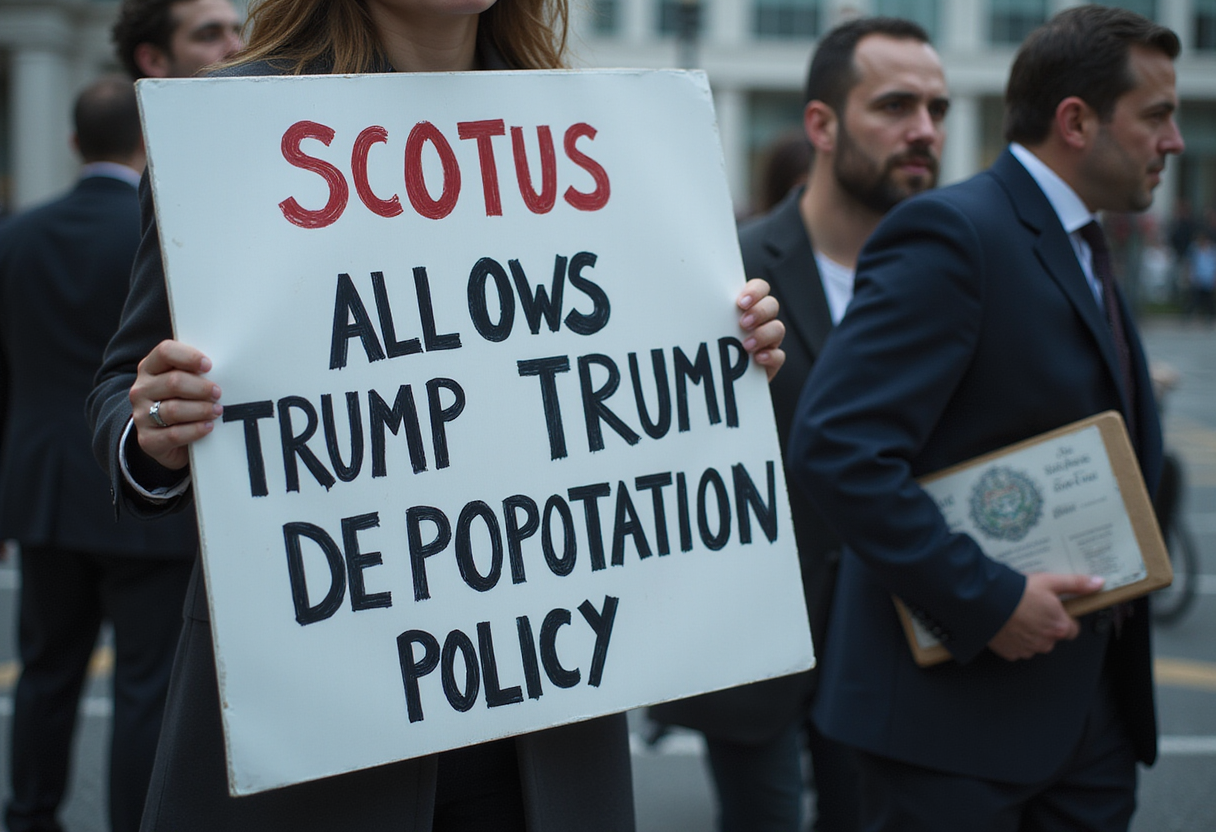
The U.S. Supreme Court on September 29 allowed third-country deportations to continue, staying a lower-court block pending December arguments and a final ruling expected next year.
- Programme
- Borders & Enforcement
- Filed
- Reading
- 2 min
Entry details
- On September 29 the Supreme Court allowed third-country deportations to continue, staying a lower-court injunction, with three liberal justices dissenting.
- About 15,000 people were deported to third countries in 2025, with Mexico receiving the majority; the policy began in January 2025.
- The Court will hear arguments in December and is expected to issue a final ruling next year; the administration says agreements with receiving countries make individualized screenings unnecessary.
The United States Supreme Court on Tuesday, September 29, allowed the Trump administration to continue deporting certain immigrants to "third countries" with which they have no connections. The order temporarily blocks a lower-court ruling that had found the policy unlawful because it denied immigrants a chance to raise safety concerns before removal.
The decision is not the final word. The Court will hear arguments in December and issue a definitive ruling, expected next year. In the meantime, the policy stays in effect.
Three liberal justices — Sonia Sotomayor, Elena Kagan and Ketanji Brown Jackson — dissented and indicated they would have denied the administration's request.
What the policy does
The practice began during President Trump's second term, in January 2025. Under it, the administration has removed thousands of people to countries such as South Sudan, Eswatini and Rwanda — states most deportees have never lived in. The Migration Policy Institute reported that about 15,000 people were deported to third countries in 2025, with Mexico receiving the majority.
The administration, represented by Solicitor General D. John Sauer, argues that no individualized determination is needed before transfer. It says its agreements with receiving countries guarantee that deported immigrants will not be mistreated. Sauer also told the Court that suspending the policy had created logistical problems and diplomatic concerns.
Who challenged it and what changes now
Four unnamed immigrants challenged the policy, arguing they deserve a "meaningful opportunity" to contest deportations to countries where they may face persecution or torture. Judge Brian Murphy of the U.S. District Court had previously ruled that deportations to third countries without proper notice and a chance to challenge them were unlawful.
Tuesday's Supreme Court order sets that ruling aside while the case proceeds. The practical effect: removals to third countries can continue for now, without the procedural safeguards Judge Murphy had required. Immigration advocates say the policy puts immigrants at risk of torture or persecution.
Trina Realmuto, a lawyer for the National Immigration Litigation Alliance, expressed concern over the immediate risk to those facing removal.
The September 29 order marks the third time the Trump administration has sought Supreme Court intervention in this matter.
What to watch
The December arguments will determine whether deportees must receive notice and an opportunity to argue fear of persecution or torture before transfer to a third country. A final decision is expected next year. Readers tracking specific cases should follow the Supreme Court's docket and official court filings for the definitive text of any ruling.
via i.iheart.com (Original)
More from Olivia Hart
Show full bio
Senior reporter covering marketplaces and e-commerce at Passport File.
127 articles