Visa PolicyEntry PF-189511 · Page 40 · Stamped OCT 10, 2026
Trump administration proposes $100,000 fee for H-1B visas
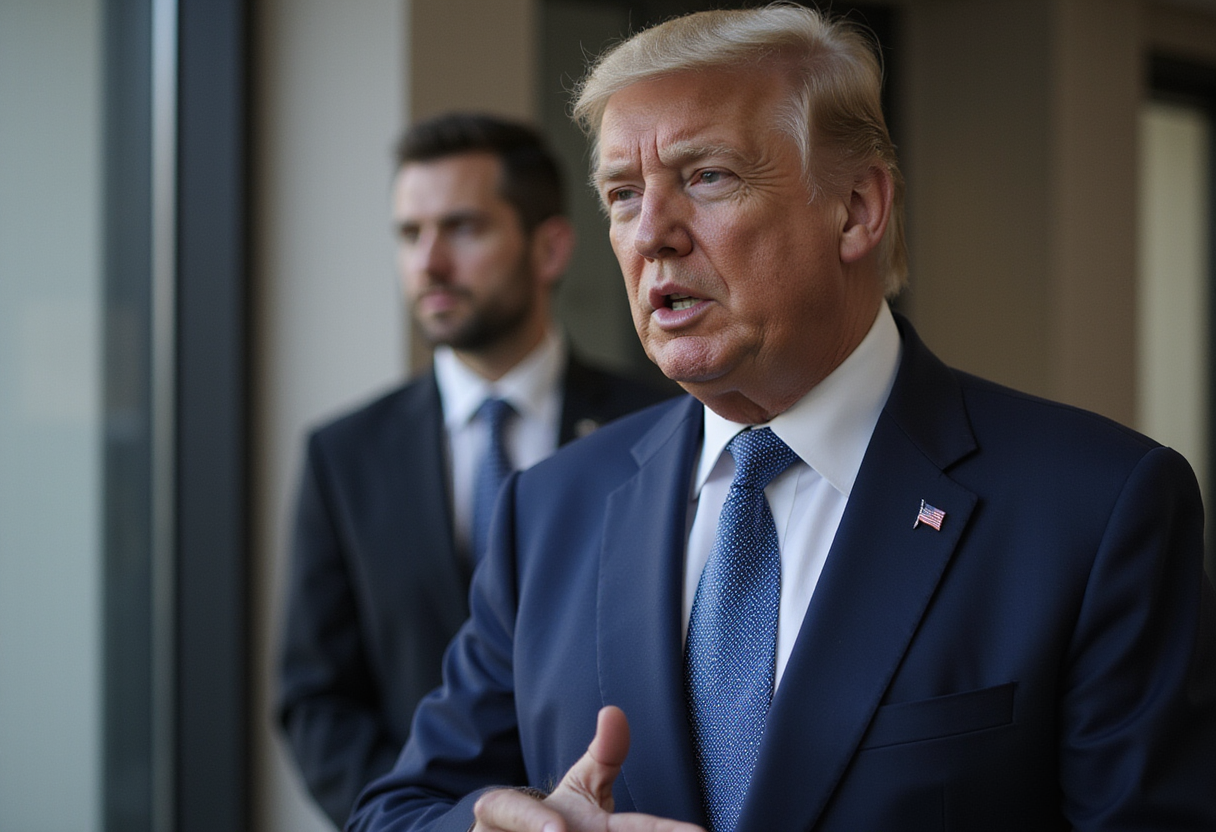
The Trump administration has moved to impose a fee of more than $100,000 on H-1B skilled worker visas, sharply raising costs for US employers hiring foreign professionals.
- Programme
- Visa Policy
- Filed
- Reading
- 2 min
Entry details
- The Trump administration proposes a fee of more than $100,000 per H-1B visa.
- The fee would apply to US employers sponsoring skilled foreign workers.
- The proposal has not yet taken effect and must complete federal rulemaking.
- Reuters first reported the administration's move.
The Trump administration has moved to impose a fee of more than $100,000 on H-1B skilled worker visas, a proposal that would dramatically raise the cost of hiring foreign professionals in the United States, Reuters reports.
The planned fee, if adopted, would represent one of the largest single increases ever applied to a US employment-based visa category. It targets the H-1B programme, which US companies use to hire foreign workers in specialty occupations such as technology, engineering and medicine.
What does the proposal change?
The administration's move would require petitioners to pay a fee exceeding $100,000 for each H-1B worker visa. That figure compares with the current structure of H-1B fees, which consists of considerably smaller filing, anti-fraud and ACWIA training charges paid by employers.
The proposal has not yet taken effect. It would need to complete the federal rulemaking process before any new fee becomes binding on applicants.
Who is affected?
The change would affect:
- US employers that sponsor foreign workers through the H-1B programme
- Foreign professionals seeking skilled worker visas in the United States
- Industries that rely heavily on H-1B labour, particularly the technology sector
The H-1B visa is capped annually by US immigration law, and demand for the programme has historically exceeded the available number of visas, making any fee increase a significant cost factor for employers competing for slots.
What happens next?
The administration must publish the proposed rule and follow federal regulatory procedures, which typically include a public comment period, before the fee can be finalized. Employers and applicants should monitor official announcements from US Citizenship and Immigration Services (USCIS) for the authoritative text of any rule and its effective date.
Reuters first reported the administration's move. Readers should rely on the official federal register notice, once published, for the exact fee amount, scope and implementation timeline. This article does not constitute legal advice for individual cases.
via GN New Visa Programmes (Source)
More from Priya Raman
Show full bio
Market editor covering industry trends and analytics at Passport File.
250 articles