Borders & EnforcementEntry PF-163782 · Page 39 · Stamped OCT 10, 2026
Tunisia Tells 46-Nation London Summit: No Country Can Fight Irregular Migration Alone
Tunisia's interior minister told a 46-delegation London summit on March 31 that no single country can fight irregular migration alone, urging shared responsibility and action on root causes.
- Programme
- Borders & Enforcement
- Filed
- Reading
- 3 min
Entry details
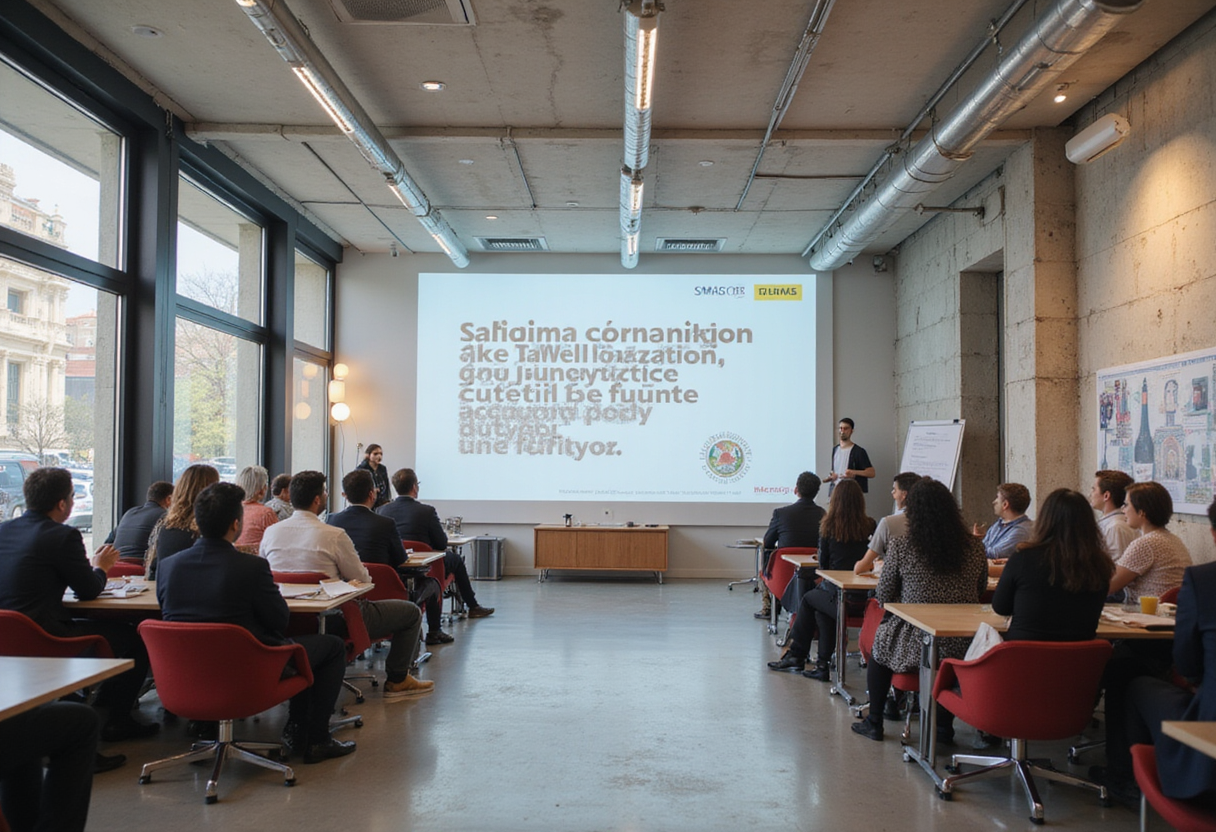
- Tunisian Interior Minister Khaled Nouri spoke at the 'Border Security: Organized Crime in Migration' summit in London on March 31.
- The summit gathered 46 delegations and 37 ministers, plus the EU, Council of Europe, UNODC and X, Meta and TikTok representatives.
- Nouri said fighting irregular migration 'goes beyond the capacity of any single country' even with all material and human resources.
- He held bilateral talks with officials from the UK, Italy, Austria, France, Iraq and Nigeria.
- Nouri cited development disparities between origin and destination countries as a root cause of irregular migration.
Tunisia used a 46-country summit in London on March 31 to declare that no single state, however well-resourced, can curb irregular migration on its own. Interior Minister Khaled Nouri told the "Border Security: Organized Crime in Migration" summit that only coordinated international action can address the phenomenon.
"Contrasting irregular migration goes beyond the capacity of any single country on its own, even if it has all the material and human resources," Nouri said during his intervention on March 31, according to a statement the Tunisian Interior Ministry posted on Facebook.
The minister called for "unifying international efforts and strengthening cooperation mechanisms for joint cooperation among countries and efficient international organizations." His remarks position Tunisia, a key departure and transit country on the Central Mediterranean route, as a demandeur of deeper burden-sharing with European partners rather than a solo enforcer.
What did Tunisia ask for?
Nouri's intervention rested on three main pillars, as reported by the ministry:
- A partnership-based approach that shares the burden among all interested parties, rather than leaving frontline states to manage flows alone.
- Respect for universal human rights principles and international conventions in any measures taken to mitigate irregular migration.
- Action on the root causes of the phenomenon — above all, the disparity in development between countries of origin and countries of destination.
The minister also addressed how states can strengthen cooperation against crimes linked to irregular migration, specifically those crimes that interrupt financial flows, signaling Tunisian interest in targeting the money behind smuggling networks as much as the routes themselves.
Who attended the London summit?
The "Border Security: Organized Crime in Migration" event brought together a wide coalition of states and institutions. The attendance figures underline its scale:
- 46 delegations took part in the summit.
- 37 government ministers were present.
- Regional and international organizations included the European Union, the Council of Europe and the United Nations Office on Drugs and Crime.
- Representatives of the social media platforms X, Meta and TikTok also attended — a reflection of growing attention to online tools used by smuggling networks.
The summit serves as a platform to discuss and strengthen targeted mechanisms to jointly fight irregular migration and confront the transnational crimes associated with it.
Which bilateral meetings took place?
On the margins of the summit, Minister Nouri held a series of meetings with senior officials from Tunisia's key partners on migration management. His interlocutors included:
- Yvette Cooper, British Secretary of State
- Angela Eagle, UK Minister of State for Border Security and Asylum
- Matteo Piantedosi, Italian Interior Minister
- Amir Al-Shammari, Iraqi Minister
- Gerhard Karner, Austrian Interior Minister
- Gérald Darmanin, French Interior Minister
- Olubunmi Tunji-Ojo, Nigerian Interior Minister
- Hamish Falconer, UK Deputy Secretary of State for the Middle East, North Africa, Afghanistan and Pakistan
The breadth of the meeting list — spanning the UK, Italy, Austria, France, Iraq and Nigeria — maps the network of states Tunisia engages with on migration and border security, from European destination countries to fellow origin and transit states.
Why does the message matter?
Nouri's core argument — that fighting irregular migration exceeds any single country's capacity even with full material and human resources — is a direct appeal to wealthier destination states to invest in cooperation mechanisms rather than expect unilateral results from frontline countries.
His emphasis on development disparities as a root cause places economic questions at the center of the debate. Tunisia's framing suggests that enforcement alone, without addressing why people leave, will not reduce flows.
The London summit's inclusion of social media companies alongside ministers and international organizations points to a broadening definition of what migration management now involves, extending from border posts to financial flows and online platforms.
Readers should follow announcements from the Tunisian Interior Ministry and the UK government for any concrete measures agreed at the summit. No new quotas, deadlines or legal changes were announced in the minister's March 31 statement.
via infomigrants.net (Original)