Stamped NOV 19, 2026
UK-EU Reset Talks Go 'Down to the Wire' Before Brussels Summit
UK and EU negotiators remain split on SPS rule-making, youth mobility tuition fees and Made in Europe hours before Friday's Brussels summit, with a 0.4% GDP food deal at stake.
- Programme
- General coverage
- Filed
- Reading
- 5 min
Entry details
- The UK-EU summit opens in Brussels on Friday with talks expected to go 'down to the wire'.
- The food and drink deal is expected to add 0.4% to British GDP and come into force on 1 March 2028.
- The UK would dynamically align with EU SPS rules with a 'voice' but 'not be in the room' when laws are drafted.
- EU ambassadors were set to meet at 5pm and 'go until agreement is reached tonight'.
- If a deal is reached, the UK government will table the cutting costs bill in parliament next week.
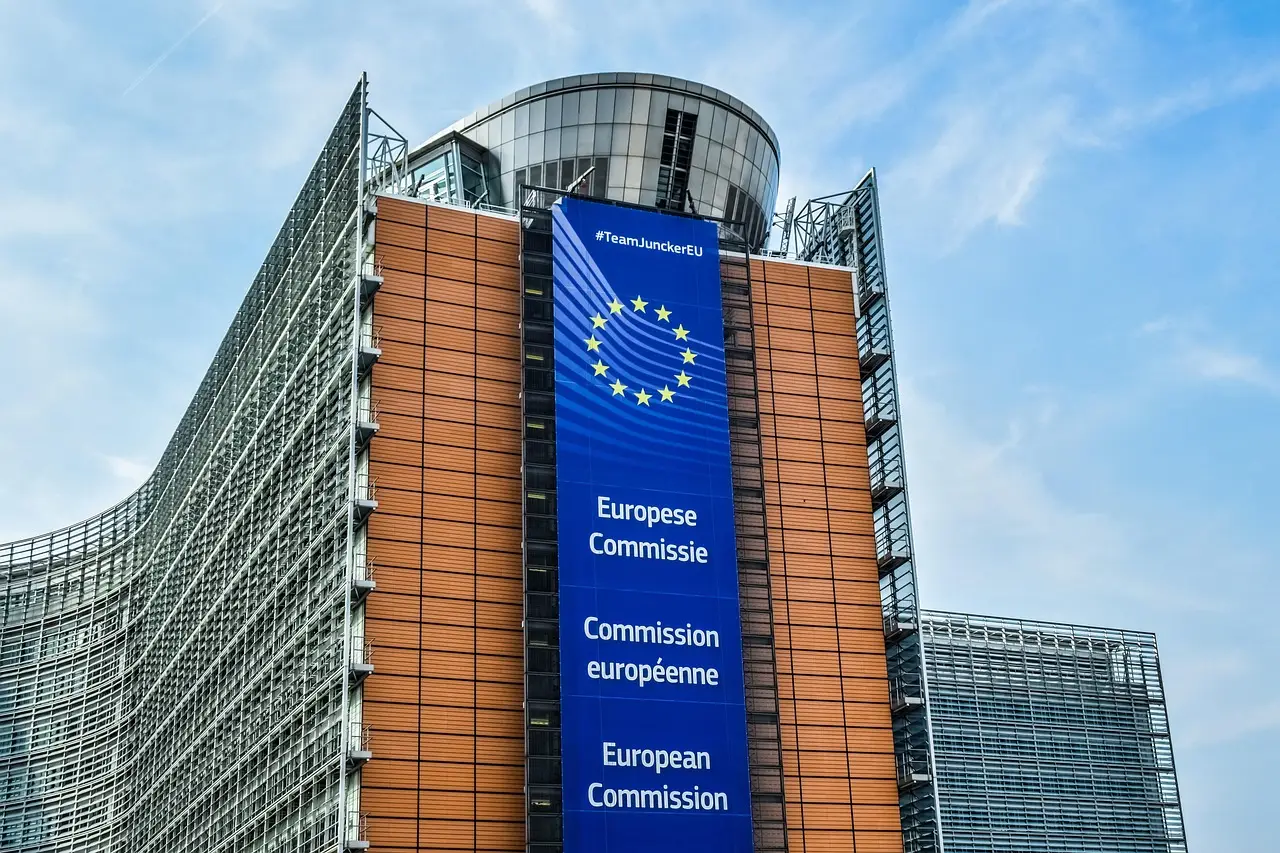
The UK-EU reset summit opens in Brussels on Friday with the two sides still split on food rules, tuition fees and trade defence — and an EU diplomat predicting the negotiations will go "down to the wire."
With less than 24 hours before the meeting, British and EU negotiators have not resolved the central question of how much say Britain gets in shaping future European food and farming rules.
"It will go down to the wire," an EU diplomat said, speaking in general terms about the disagreements, including tuition fees. "Our feeling is that the Brits have to move if they want a deal."
A spokesperson for the British prime minister also described the talks as close. If an agreement is reached, the government will bring forward legislation — the cutting costs bill — to parliament next week.
How did the final hours unfold?
Another EU diplomat said ambassadors representing the EU member states would meet at 5pm and "will go until agreement is reached tonight." A meeting of EU ambassadors had already ended late on Wednesday without a resolution on the UK's formal role in EU rule-making.
Sources said the UK was still resisting EU pressure to agree to work on tuition fees for EU students coming to Britain under a new youth mobility scheme.
"We are fighting hard on this and think we will get there," an EU insider said. "But for us, one of the hardest discussions centres on this question of the UK being a rule taker or rule maker."
The takeaway: both camps expect a deal, but neither has moved on the question of who writes the rules.
What does the food and drink deal change?
At the long-awaited summit, the EU and UK hope to sign three agreements. The centrepiece is a highly prized food and drink deal that was a Labour manifesto commitment and is expected to add 0.4% to British GDP.
The deal is expected to come into force on 1 March 2028. It requires the UK to align with EU rules on sanitary and phytosanitary (SPS) standards — making Britain a rule taker.
Asked about that status, No 10 said the Labour manifesto had aimed to build closer ties with the EU. "We were obviously elected on a manifesto that promised to reset the relationship and seek to deepen ties with our European friends," a spokesperson said.
Who gets to write the rules?
EU sources said the UK has been pushing for a formal role in EU committees that implement existing SPS rules and set new ones. The issue remained unresolved after Wednesday's late ambassadors' meeting.
"They want to be able to shape decisions, not only implementation, but future decisions. That has always been a red line," the EU diplomat said.
Under the SPS proposal, the UK will agree to dynamically align with EU laws. It will have a "voice" but "not be in the room" when laws are drafted.
A second diplomat, from a country sympathetic to the British position, said the European Commission had proposed an "extremely restrictive consultation mechanism" for the UK.
The first EU diplomat thought it reasonable for a British representative to take part in implementing SPS legislation affecting the UK. "Of course the UK cannot vote in the council as a non-member state, but we feel that we need to be pragmatic about coordination and implementation," they said.
The precise details of how the UK would be consulted on future food and farming rules remain unclear, and the tension would be magnified many times over were Britain to enter the single market as a non-EU member state.
In plain terms: Britain will follow EU food law it does not help write, and the consultation machinery is still undefined.
What is happening with tuition fees?
The EU and UK remain deadlocked over two linked questions: whether EU students in Britain pay the British or international tuition fee rate, and the overall numbers who could take part in the youth mobility scheme.
The draft proposal gives the UK two options:
- agree to significantly reduced undergraduate fees for EU students, or
- grant equal treatment with UK nationals.
Is this the last reset summit?
A spokesperson for the British prime minister suggested there was a UK-EU consensus that no further incremental reset summits would follow Friday's meeting until full negotiations began on a longer-term, more stable relationship — such as rejoining the single market.
"After the summit, we will begin those discussions with our European partners about the realistic options for our longer-term relationship," the spokesperson said.
The UK has also prioritised commitments on the EU's Made in Europe legislation. That trade defence policy will include tariffs on Chinese electric vehicles but will also affect British manufacturing. The sides are believed to be close to agreement on summit language pointing towards UK inclusion, though nothing can be formalised until the EU passes its own legislation.
"[The UK is] engaging constructively with the EU on that, and we've been clear about the challenges it could represent for British industries," the spokesperson said. "We have deeply integrated supply chains with Europe, and we want to keep working together to boost growth and open up trade."
"The UK and Europe have shared economic challenges, and we believe shared challenges are best met with a collective approach that is in Britain's best interests, and in Europe's too."
For practitioners, the watch items are concrete: the cutting costs bill next week, the SPS text's consultation mechanism, and the 1 March 2028 start date.
via theguardian.com (Source)
More from Priya Raman
Show full bio
Market editor covering people, launches and day-to-day practice in Immigration and mobility policy worldwide at Passport File.
420 articles