Visa PolicyEntry PF-653248 · Page 01 · Stamped OCT 14, 2026
US Hospitals Pull Back on Foreign Doctor Recruitment Amid Trump Policy Shift
US hospitals are scaling back foreign doctor recruitment as Trump immigration policies tighten, threatening to deepen a national physician shortage.
- Programme
- Visa Policy
- Filed
- Reading
- 2 min
Entry details
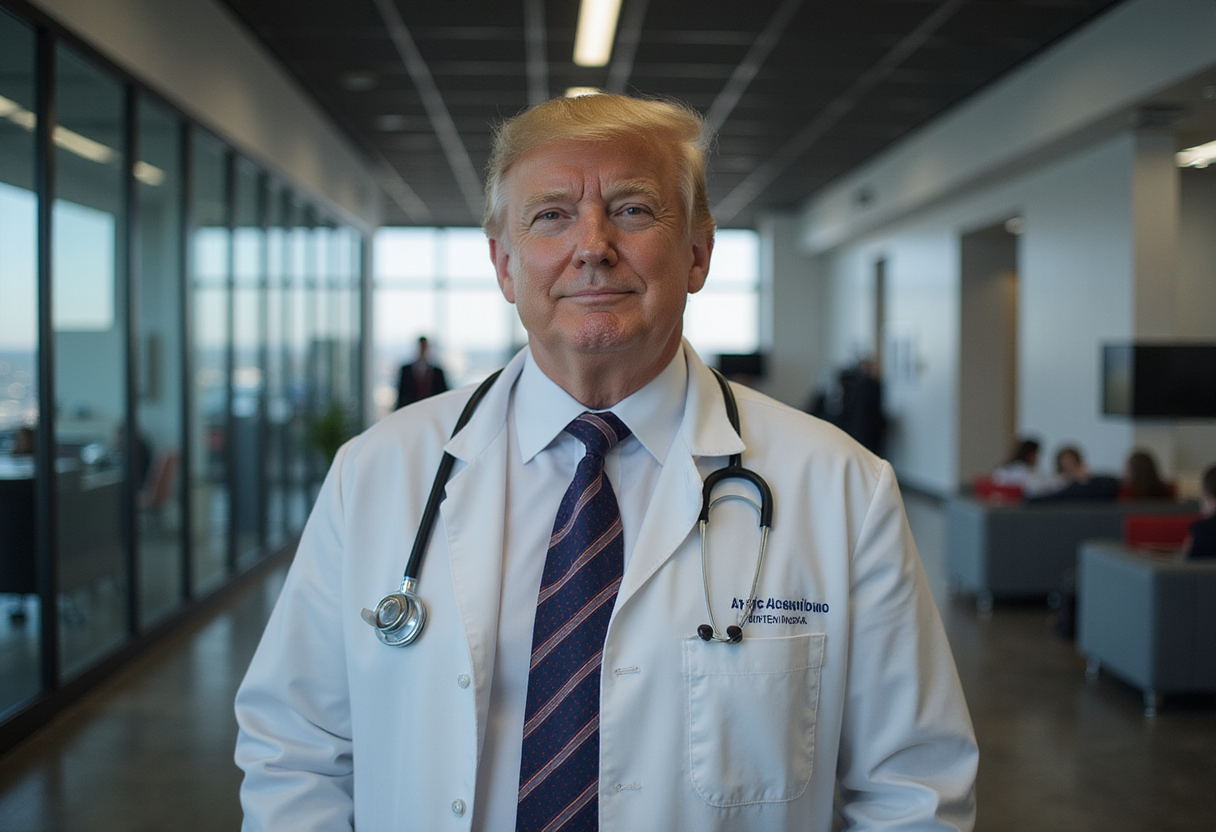
- US hospitals are curtailing recruitment of foreign-trained doctors amid Trump-era immigration policies.
- The United States already faces a national doctor shortage that the policy shift could worsen.
- Foreign-trained physicians have served as a key staffing pipeline, especially in underserved areas.
- Visa unpredictability is pushing some hospitals to halt international hiring altogether.
US hospitals are curtailing recruitment of foreign-trained doctors as President Donald Trump's immigration policies narrow the pathways that medical institutions have long used to fill staffing gaps.
The shift, reported by Latin Times, raises a direct question for the American health system: if fewer international physicians can enter, who treats the patients? Foreign-trained doctors have historically served as a critical pipeline, particularly in underserved areas and shortage specialties.\n
What changed?
The Trump administration's immigration agenda has tightened the environment for foreign medical professionals seeking to work in the United States. Hospitals, reading the policy direction, are already scaling back their international recruitment efforts.
This is not a projected future problem. The Latin Times report describes recruitment curtailment as a current response by hospitals, not a hypothetical.
The mechanism is straightforward. When visa pathways become less predictable, hospitals bear higher risk and cost in sponsoring foreign physicians. Some respond by simply not recruiting abroad at all.
The result: the United States could see its existing doctor shortage worsen.
Who is affected?
Three groups sit at the center of the story:
- Foreign-trained physicians who need US visas or sponsorship to practice.
- Hospitals and health systems, especially those that depend on international medical graduates to staff hard-to-fill positions.
- Patients, particularly in rural and underserved communities where foreign-trained doctors disproportionately serve.
The US medical system has long relied on international medical graduates to fill residency slots and clinical roles that domestic graduates do not uniformly take. Restricting that flow removes a proven staffing channel.
Why does the shortage matter?
The United States already faces a physician shortage, a gap that health workforce analysts have tracked for years. The Latin Times report frames the new immigration posture as an aggravating factor rather than the sole cause.
Foreign recruitment has functioned as a pressure valve. When that valve tightens, the shortage has nowhere to go but deeper.
Health systems that curtail international hiring now may face longer vacancy periods, heavier workloads for existing staff, and reduced access in the communities that need physicians most.
In plain terms: fewer doctors coming in means fewer doctors available where they are already scarce.
What should readers watch?
The situation is still developing. Key indicators include:
- Any formal changes to visa categories used by medical professionals, such as J-1 exchange visas or H-1B specialty occupation visas.
- Public statements from hospital systems about their international recruitment plans.
- Workforce projections from official bodies such as the Health Resources and Services Administration (HRSA).
Readers should rely on official announcements from US Citizenship and Immigration Services (USCIS) and the Department of State for authoritative information on any rule changes.
For now, the direction of travel is clear: the United States is making it harder for foreign doctors to arrive, and hospitals are adjusting their behaviour accordingly.
The core takeaway is simple. Immigration policy and health staffing are now tightly linked, and the American doctor shortage may grow as a result.
via GN Immigration Policy (Source)
More from Elena Vasquez
Show full bio
News editor covering money, funding and market shifts around Immigration and mobility policy worldwide at Passport File.
360 articles