Visa PolicyEntry PF-666560 · Page 17 · Stamped OCT 13, 2026
US Proposes Tighter H-1B Extension Scrutiny, Ends Automatic Renewals
A US proposal would end automatic H-1B work permit renewals and impose tighter scrutiny on extension requests, affecting hundreds of thousands of skilled workers.
- Programme
- Visa Policy
- Filed
- Reading
- 2 min
Entry details
- The US has proposed tighter scrutiny of H-1B visa extension requests.
- The proposal would end automatic work permit renewals for H-1B holders.
- Extension filings outnumber new H-1B petitions in most years.
- Indian nationals historically form the largest share of H-1B beneficiaries.
- The measure remains a proposal and requires the federal rulemaking process before taking effect.
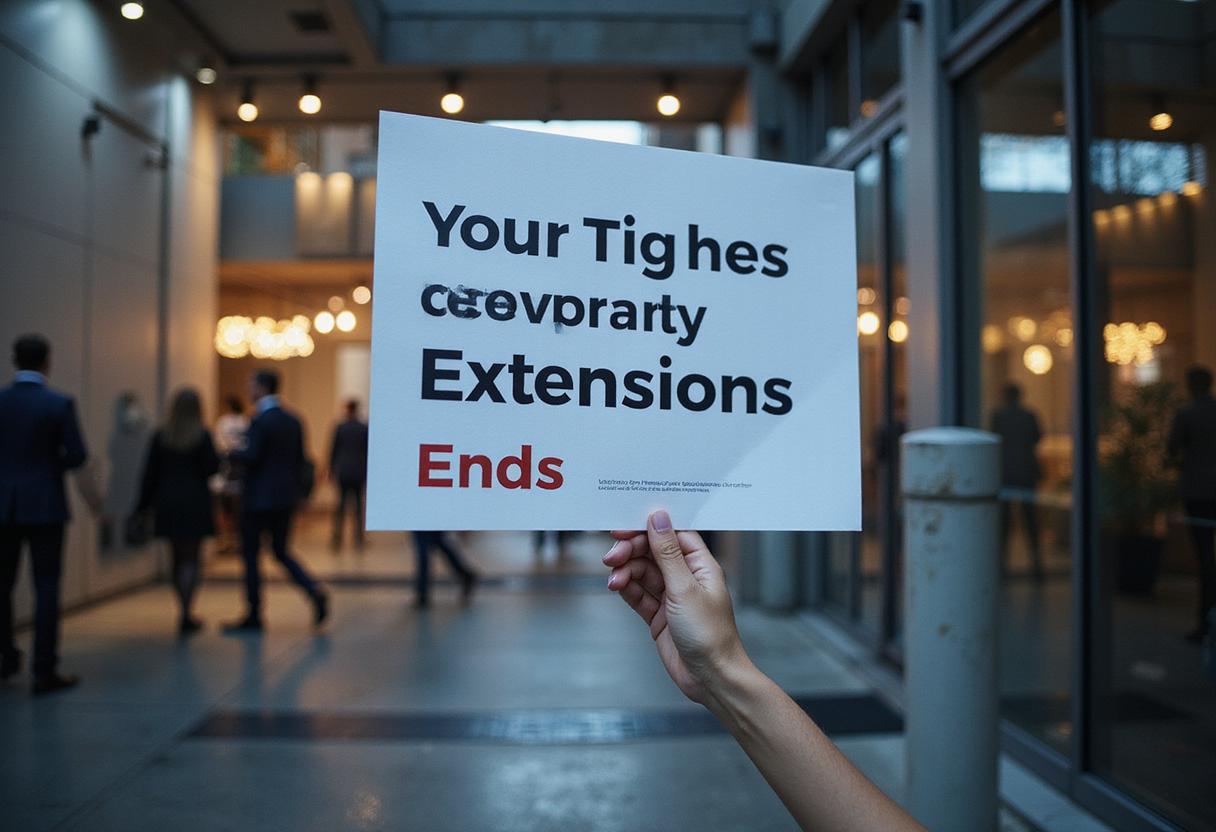
The United States has proposed tighter scrutiny of H-1B visa extension requests and an end to automatic work permit renewals, according to a report by Telangana Today. The proposal targets two of the most common administrative steps that skilled foreign workers rely on to stay employed legally in the country.
For years, H-1B holders filing to extend their status could generally count on continued work authorisation while their petitions moved through the system. The proposed change would break that assumption. Applicants seeking extensions would face closer examination, and the automatic continuity of work permits during renewal processing would no longer apply.
The H-1B programme remains the main US visa route for foreign professionals in specialty occupations, and Indian nationals have historically made up the largest share of its beneficiaries. Any tightening of extension review therefore reaches a population measured in the hundreds of thousands, not a small pool of applicants. Extension filings far outnumber new petitions each year, which makes renewal policy a decisive factor in how long a worker can remain in the country.
What does this change for H-1B holders?
The practical question for current visa holders and their employers is what the proposal alters in the day-to-day process. Under the proposed framework, an extension request would no longer move forward as a largely procedural step. Adjudicators would apply closer scrutiny to whether the beneficiary still qualifies, and the end of automatic work permit renewal means applicants could face gaps in employment authorisation while a decision is pending.
That shift places new weight on filing timing. Workers and employers would need to account for the possibility that authorisation lapses before an extension is approved, a risk the current automatic renewal mechanism was designed to prevent.
Who is affected?
The proposal reaches three main groups:
- Current H-1B holders preparing to file extension requests
- Employers sponsoring extensions for existing staff
- Dependents and households whose status is tied to the principal visa holder's continued authorisation
Because extension volume exceeds new filings in most years, the change would touch more people than any tightening of the initial lottery or cap would.
Where the proposal stands
The measure remains a proposal rather than final policy. It would need to complete the federal rulemaking process before taking effect, and details such as the effective date, filing procedures and any transition periods have not been confirmed in the initial report. Applicants should treat the reported changes as pending until an official rule is published.
Readers tracking the matter should monitor announcements from US Citizenship and Immigration Services, the agency that administers the H-1B programme and would implement any final rule. Official Federal Register notices will carry the operative dates and requirements once the process concludes.
Until then, the reported proposal signals a clear direction: the United States appears set to make it harder to extend an H-1B than to obtain one, reversing years of routine renewal practice.
via GN Work Permits (Source)
More from Marcus Bennett
Show full bio
Staff writer covering money, funding and market shifts around Immigration and mobility policy worldwide at Passport File.
296 articles