Migration DataEntry PF-140488 · Page 25 · Stamped OCT 10, 2026
Who Migrates and Where Do They Go? IOM Maps Global Migration 1995–2020
IOM maps international migration from 1995 to 2020, tracing who moves across borders, the main origin countries and the destinations that receive them.
- Programme
- Migration Data
- Filed
- Reading
- 2 min
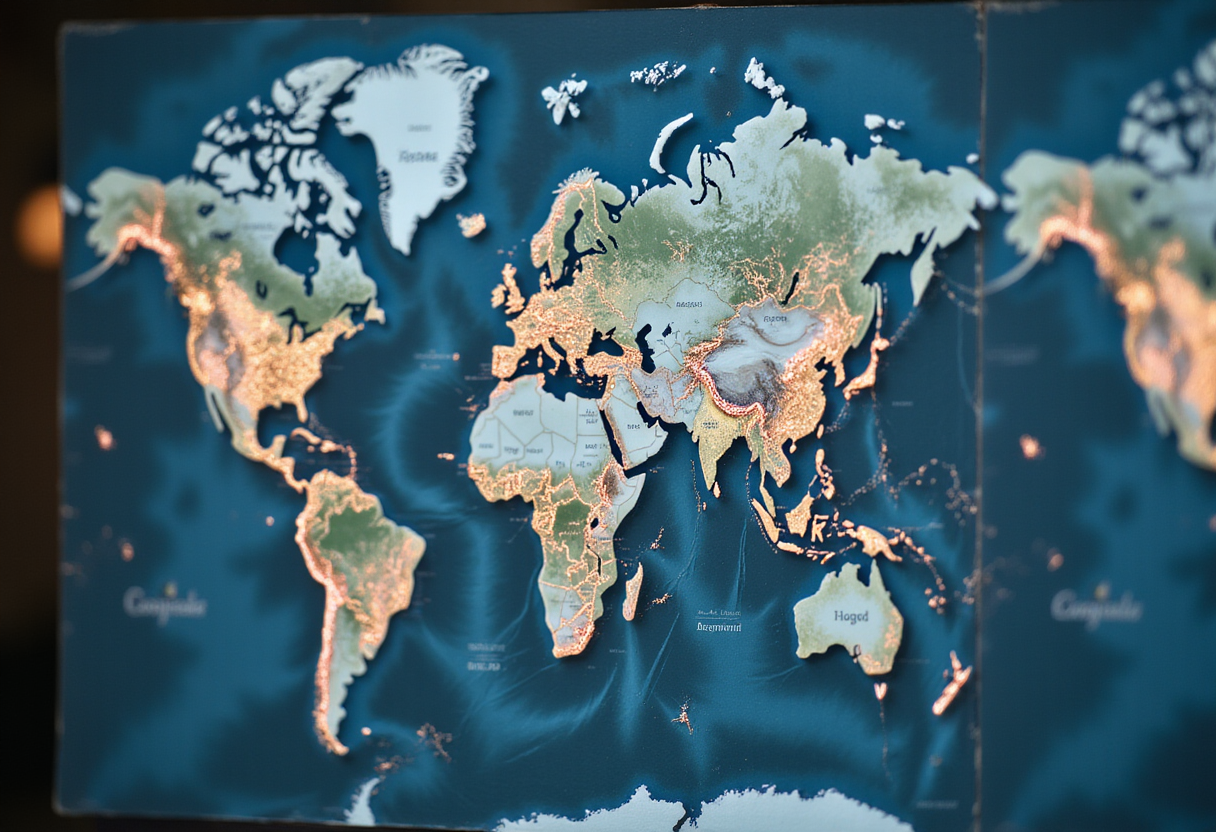
Entry details
- The International Organization for Migration analyzed international migration over the period 1995–2020
- The report examines who migrates, main origin countries and main destination countries
- The study covers 25 years of global migration patterns in a single consolidated overview
The International Organization for Migration (IOM) has published an analysis of international migration worldwide between 1995 and 2020, tracing who moves across borders, from which countries, and to which destinations over a 25-year span.
The study consolidates IOM's long-running data work on global mobility into a single overview of migration trends covering the quarter-century from 1995 to 2020. Its central question is straightforward: who migrates internationally, and where do they go?
What does the report cover?
The analysis addresses three core dimensions of international migration over the period:
- The scale of migration and how the number of international migrants changed between 1995 and 2020
- The origin countries that send the largest numbers of migrants abroad
- The destination countries and regions that receive them
By comparing the start and end points of the period, the report shows how migration corridors, sending countries and receiving countries shifted as economies, conflicts and demographic trends evolved.
Why does the 1995–2020 window matter?
The 25-year frame captures a period in which international migration moved to the centre of policy debates worldwide. Governments introduced new visa categories, quota systems and integration programmes in response to growing mobility, while crises in several regions drove large displacement movements.
IOM, as the United Nations migration agency, publishes this kind of trend analysis to give policymakers and researchers a common factual baseline. Readers comparing national immigration rules or planning applications should treat such global data as context rather than guidance for individual cases — country-specific requirements are set by national immigration authorities.
Who should read it?
The report is aimed at researchers, immigration policy analysts and journalists who need a consolidated view of global migration patterns. It can help explain:
- Why certain destination countries account for a large share of the world's migrants
- How migration from major origin countries developed over two and a half decades
- Which corridors grew in importance between 1995 and 2020
Where to find it
The full analysis, "Who migrates internationally and where do they go? International migration globally between 1995 to 2020," is available through the International Organization for Migration. Readers seeking exact figures, methodology notes and country-level breakdowns should consult the original IOM publication, which remains the authoritative source for the data discussed here.
Passport File will continue to track IOM's migration data releases and their implications for visa policy, quota setting and demographic planning in major destination countries.
via GN Migration Statistics (Source)