Borders & EnforcementEntry PF-803837 · Page 14 · Stamped OCT 30, 2026
852 Migrants Dead or Missing at Sea in Three Months, EU Agency Reports
At least 852 people died or went missing reaching Europe by sea from July to September 2026, the EU Agency for Fundamental Rights reported on 22 October.
- Programme
- Borders & Enforcement
- Filed
- Reading
- 3 min
Entry details
- 852 people died or went missing on Europe-bound sea routes between July and September 2026.
- The Fundamental Rights Agency published its bulletin on 22 October, using IOM data.
- The West Africa–Atlantic route recorded the highest toll: 283 deaths or disappearances.
- More than 72,000 irregular entries from Morocco into Ceuta were recorded on 30 July.
- Independent monitoring bodies required under the Migration and Asylum Pact remain unestablished in parts of the EU.
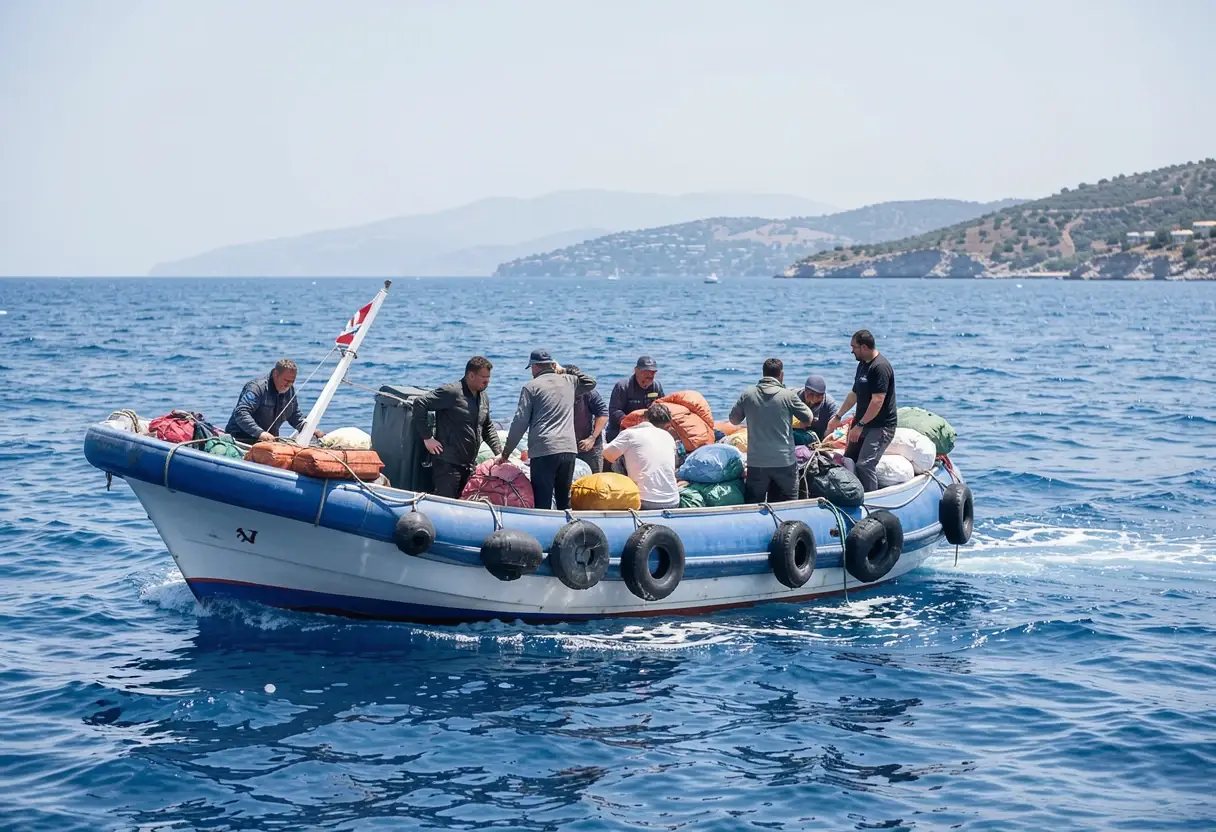
At least 852 people died or went missing attempting to reach Europe by sea between July and September 2026. The European Union Agency for Fundamental Rights published that figure in its migration bulletin on 22 October, drawing on data from the International Organization for Migration.
The report covers crossings through the Mediterranean and along the Atlantic route towards the Canary Islands. It arrives as the EU implements its Migration and Asylum Pact, and as governments face scrutiny over rescue operations, border policing and the treatment of children.
Which routes carry the highest tolls?
The West Africa–Atlantic route recorded the largest number: 283 deaths or disappearances. The Western Mediterranean followed with 229, the Eastern Mediterranean with 199, and the Central Mediterranean with 141. Those four totals sum precisely to 852.
The agency treats the overall figure as a minimum, not a ceiling. Some shipwrecks may go unreported, and rescuers often cannot establish the identities or the number of passengers aboard.
The Atlantic crossing to the Canary Islands involves long journeys in small vessels, changing weather and limited rescue coverage. Mediterranean routes carry their own risks, including departures from North Africa and Turkey.
The agency also draws a careful distinction. It counts people confirmed dead alongside those reported missing, and it warns the data should not be described as a verified count of recovered bodies. That caveat matters; casualty figures for irregular crossings almost always undercount rather than overcount.
What happened at Ceuta in July?
The bulletin reviews the mass attempted crossing into the Spanish enclave of Ceuta in July. Spanish government figures cited by the agency put irregular entries from Morocco at more than 72,000 on 30 July alone.
The event raised questions on four fronts:
- capacity and conditions of reception facilities;
- safeguarding of children;
- allegations of excessive force;
- access to protection procedures.
The agency states that allegations against authorities require examination on their merits and must not be conflated with findings of guilt. In other words, the bulletin records accusations; it does not adjudicate them. EU Today has reported separately on the Ceuta crisis.
Will the Migration Pact fix anything?
Independent rights-monitoring structures required under the EU's new migration framework are still being established in parts of the bloc, the agency says. Their effectiveness will depend on three conditions: access, independence and the capacity to investigate allegations.
The report also addresses restrictions affecting civilian search-and-rescue organisations and uneven support for people displaced from Ukraine. It does not quantify either issue in the published summary.
European governments face a triple task. They want to reduce irregular crossings, tackle smuggling networks and maintain legal duties to rescue people in distress. The agency notes these obligations operate together rather than replacing one another.
The 852 figure gives a measure of the human consequences of dangerous routes. The bulletin's recommendations will test how far member states can translate the new framework into working procedures. The agency has set the benchmark; it has not yet shown who will meet it.
Readers should consult the agency's bulletin of 22 October and IOM data for the official record. This article reports published figures and does not offer legal advice.
via GN Migration Statistics (Source)
More from Olivia Hart
Show full bio
Senior reporter covering regulation, policy and their impact on Immigration and mobility policy worldwide at Passport File.
392 articles
- eu-migration-and-asylum-pact
- mediterranean-migration-routes
- west-africaatlantic-route
- ceuta-crossing
- maritime-search-and-rescue