Migration DataEntry PF-607963 · Page 28 · Stamped SEP 29, 2026
IOM Reports Nearly 1.5 Million Displaced in Haiti as Hurricane Season Deepens Crisis
IOM data published 25 September 2026 count nearly 1.5 million IDPs in Haiti, 80 per cent outside Port-au-Prince, as hurricane season adds new risk to displaced families.
- Programme
- Migration Data
- Filed
- Reading
- 3 min
Entry details
- Nearly 1.5 million people are internally displaced in Haiti; about 80 per cent now live outside Port-au-Prince (IOM, 25 September 2026).
- Displacement in Artibonite department rose 16 per cent between May and August 2026; attacks in Kenscoff displaced more than 4,000 people.
- IOM is appealing for USD 60 million under its 2026 Haiti crisis response plan to reach 6.4 million people.
New figures released on 25 September 2026 by the International Organization for Migration (IOM) put Haiti's internally displaced population at nearly 1.5 million people, as violence spreads beyond the capital into departments once considered relatively safe.
The data come from IOM's latest Displacement Tracking Matrix assessment (Round 14, covering August 2026). They reveal a significant geographic shift: nearly 80 per cent of displaced people are now located outside Port-au-Prince, compared with a crisis previously concentrated in the capital.
The sharpest increase: Artibonite
Displacement in the Artibonite department rose by 16 per cent between May and August 2026 — the largest increase recorded anywhere in the country over those three months. Artibonite once served as a refuge for families fleeing violence elsewhere. Parts of the department now face escalating insecurity of their own, triggering new waves of displacement and shrinking the already limited safe options for affected populations.
Kenscoff attacks displace more than 4,000
Recent armed attacks in Kenscoff, near the capital, displaced more than 4,000 people, with reports of homes burned, kidnappings and loss of life. Most of those affected have taken refuge with host families or in six displacement sites in neighbouring areas of Port-au-Prince.
"What we are witnessing in Haiti is not a crisis that moves from emergency to recovery. Violence, displacement, food insecurity, forced returns and climate risks are all unfolding at the same time, placing enormous pressure on families and communities," said Elise Verron, Senior Emergency Coordinator with IOM Haiti. "The displacement trends show that this crisis is expanding geographically. Communities that were already struggling to meet their own needs are now carrying an even greater burden."
Hurricane-season exposure
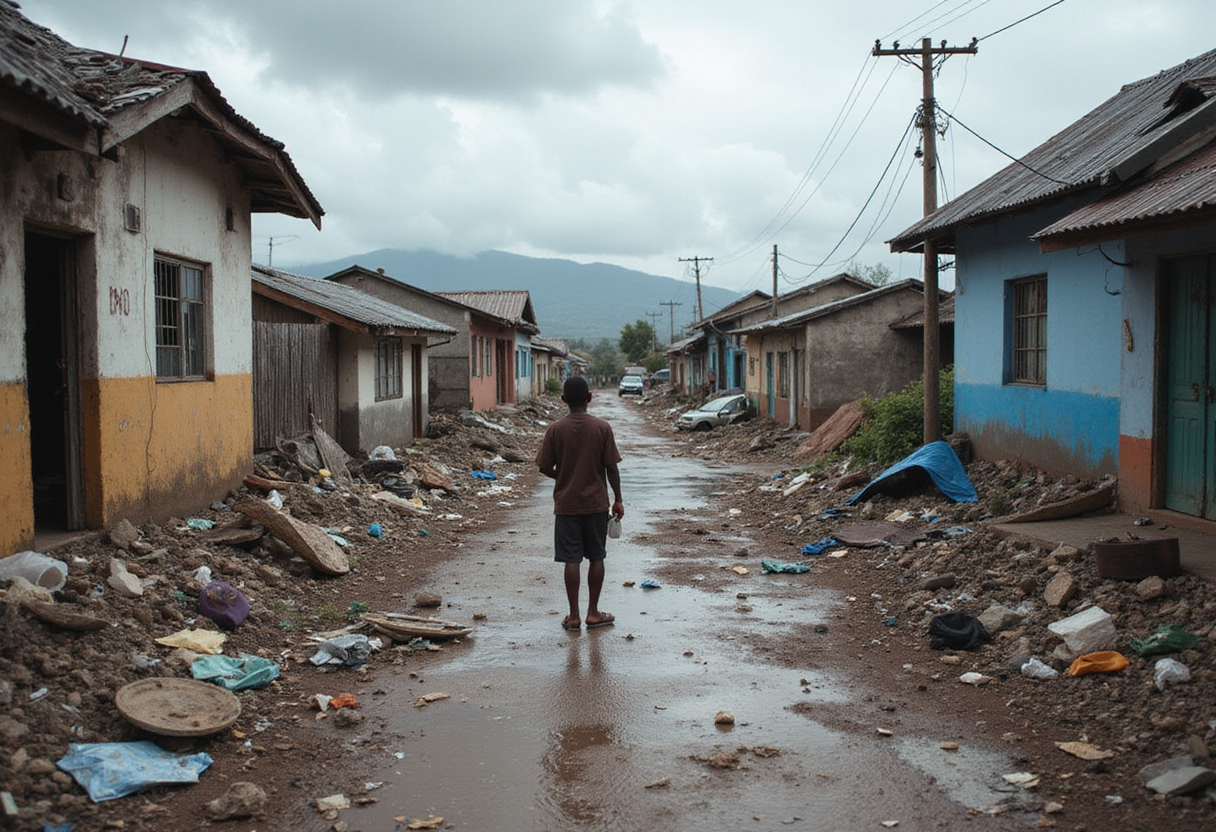
The deteriorating figures arrive during the Atlantic hurricane season, when Haiti faces hurricanes, tropical storms, flooding and landslides. Hundreds of thousands of displaced people currently live in host communities, informal settlements, collective sites or other precarious conditions that offer little protection against extreme weather.
"For families already displaced by violence, a major storm could trigger another humanitarian emergency," Verron said. "Many households have few resources to withstand additional shocks, and communities hosting displaced families are already under considerable strain."
Pressure on border departments
The assessment also documents mounting strain in border departments, where local authorities and host communities are responding simultaneously to internal displacement and the arrival of Haitians returned from neighbouring countries. The combined demand puts additional pressure on housing, health services, water systems and other essential resources.
Returns have increased in some areas, but many returning families face difficult conditions. Insecurity, limited livelihood opportunities and inadequate access to basic services continue to limit prospects for sustainable recovery.
IOM appeal: USD 60 million for 6.4 million people
Under its 2026 crisis response plan for Haiti, IOM is appealing for USD 60 million to reach 6.4 million people. The organization is calling for sustained investment to deliver life-saving assistance, support recovery, strengthen local systems and help communities withstand the combined effects of insecurity, displacement and climate-related shocks.
Readers can consult the full displacement assessment on IOM's Displacement Tracking Matrix portal and the Haiti Crisis Response Plan 2026 on IOM's crisis response platform for official figures and funding details.
via fa-evlj-saasfaprod1.fa.ocs.oraclecloud.com (Original)
More from Olivia Hart
Show full bio
Senior reporter covering marketplaces and e-commerce at Passport File.
127 articles