Visa PolicyEntry PF-423602 · Page 35 · Stamped SEP 29, 2026
Japan Tightens Immigration Checks and Business Visa Rules
Japan is raising business visa capital requirements and residency checks under PM Sanae Takaichi, tightening citizenship rules while relying on foreign workers to offset labor shortages.
- Programme
- Visa Policy
- Filed
- Reading
- —
Entry details
- Japan raised the business manager visa minimum capital requirement from ¥5 million to ¥30 million in October 2025, and monthly applications fell about 96%, from roughly 1,700 to 70.
- In April 2026 Japan introduced a stricter naturalization residency requirement of generally at least 10 years, up from the previous five-year benchmark.
- Japan is developing JESTA, an electronic pre-travel authorization system to screen eligible foreign visitors before departure.
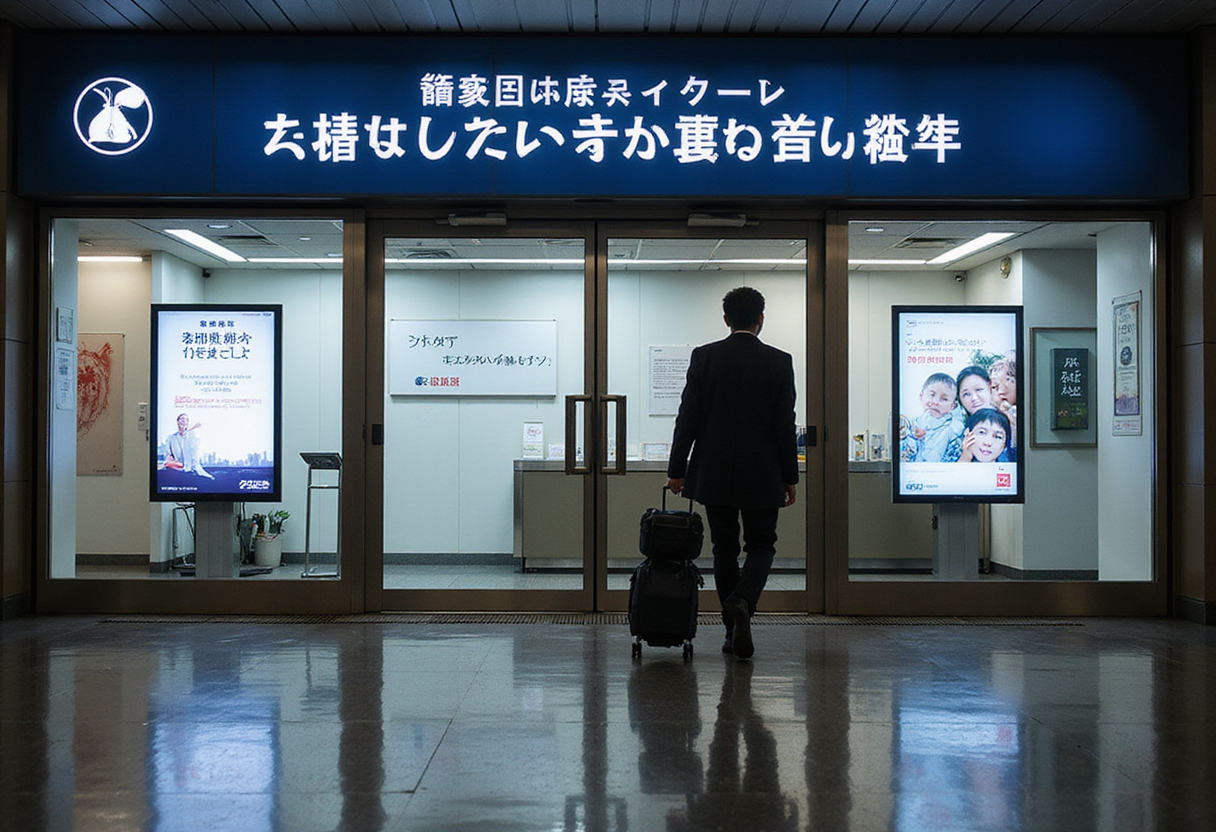
Japan is tightening its immigration system under Prime Minister Sanae Takaichi, raising business visa requirements, strengthening residency checks and tightening citizenship screening. The changes come as the country relies increasingly on foreign workers to address labor shortages.
The government has outlined plans for stricter residency checks, expanded enforcement against unauthorized employment and new restrictions involving foreign ownership of land. The proposals form part of an immigration policy introduced in January and developed through subsequent government and ruling-party reviews.
Takaichi has said Japan must maintain access to foreign workers while enforcing existing immigration laws more strictly. The approach comes as Japan faces a shrinking population and labor shortages across industries, including construction, manufacturing, hospitality and care services.
Residency checks and compliance screening
Under the government's policy framework, immigration authorities are being directed to examine whether foreign residents comply with tax and social insurance obligations when assessing residency applications.
The changes also strengthen oversight of individuals holding business manager visas and foreign students working part time.
Japan has already increased the minimum capital requirement for business manager visas from ¥5 million to ¥30 million, equivalent to roughly six times the previous threshold.
The higher requirement, introduced in October 2025, was accompanied by tighter scrutiny of business plans and employment arrangements.
Japan's ruling Liberal Democratic Party said in June that monthly applications under the category had dropped by approximately 96% following the change, from about 1,700 to 70.
Stricter naturalization requirements
Naturalization rules have also been tightened. The government introduced a stricter administrative residency requirement in April 2026, generally requiring applicants to have lived in Japan for at least 10 years, compared with the previous five-year benchmark.
The requirement brings citizenship screening closer to the residency period generally associated with permanent residence. The government's plans also include increased scrutiny of foreign nationals who have failed to pay social insurance contributions or medical bills.
New entry controls
Japan is developing an electronic pre-travel authorization system known as JESTA. The system is intended to screen eligible foreign visitors before departure and identify travelers who may not satisfy entry requirements.
The government has also proposed measures to prevent unauthorized employment and remove foreign nationals who remain in Japan without valid permission. Separately, authorities are examining tighter controls on land purchases by foreign nationals, particularly where national security concerns may arise.
The proposed measures have potential implications for foreign businesses, property investors and people planning to relocate to Japan. However, the government has not proposed ending foreign labor recruitment altogether.
In a February policy speech, Takaichi acknowledged the country's workforce needs and said her administration would consider the contribution of foreign nationals as it developed its population strategy.
Balancing labor demand and enforcement
Japan's demographic pressures complicate its immigration policy. An aging population and declining birthrate have reduced the domestic workforce, leaving employers increasingly dependent on foreign labor. At the same time, public debate over immigration has intensified, particularly over access to public services, compliance with local regulations and foreign ownership of property.
Takaichi has said the government intends to address violations without encouraging discrimination against foreign residents who comply with Japanese laws. The distinction matters for employers seeking international workers. Tighter screening may increase administrative requirements for foreign employees and companies sponsoring them, even as labor shortages continue to drive demand for overseas recruitment.
For the current status of any specific visa category or application, readers should consult Japan's Immigration Services Agency announcements and official government policy documents.
via pressinsider.com (Original)
More from Priya Raman
Show full bio
Market editor covering industry trends and analytics at Passport File.
127 articles