Asylum & ProtectionStamped NOV 20, 2026
Rayner approves centre for 1,250 asylum seekers in Oxfordshire
Communities Secretary Angela Rayner approved housing for 1,250 asylum seekers in Oxfordshire's Piddington after a September 2026 vote drew a 92% turnout.
- Programme
- Asylum & Protection
- Filed
- Reading
- 3 min
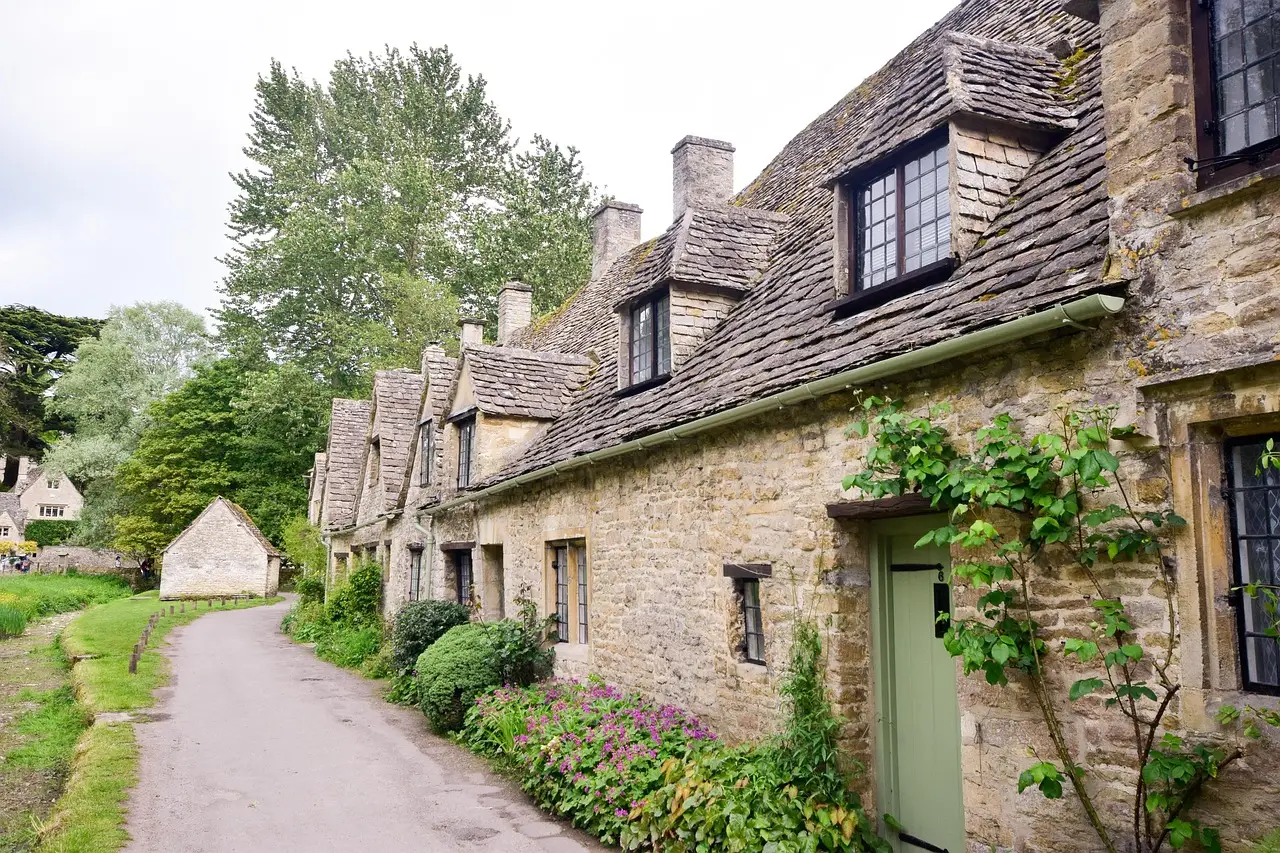
Entry details
- On 12 November 2026, Rayner approved a Piddington centre for 1,250 young asylum seekers, mainly from Afghanistan and Eritrea.
- Piddington's 350 residents face 1,250 centre places in former military cabins under an urgent Crown development approval.
- A September 2026 vote drew a 92% turnout and backed leaving the UK to form a principality.
- Barnham residents were told to host nearly 1,000 asylum seekers and set a date for a referendum on leaving the UK.
On 12 November 2026, the United Kingdom's Communities Secretary, Angela Rayner, granted planning approval for an asylum centre in Oxfordshire's Piddington to house 1,250 young asylum seekers, mainly from Afghanistan and Eritrea. The centre will use former military cabins on the village outskirts.
Communities Secretary Angela Rayner said the project was an “urgent crown development”, a classification that allowed her to ignore local objections. The operative official decision is Rayner's planning approval: the local council opposed the scheme, but the national decision clears the way for it to proceed.
What does the approval change?
Piddington has a population of just 350. Columnist Simon Jenkins wrote that officials told the village it must almost quadruple in size. The 1,250 figure concerns the planned centre population, while 350 describes the village before the project.
The approval does not itself announce a new asylum eligibility threshold, admissions quota or appeal procedure. It concerns planning permission for a site and the national minister's power to override local objections, not a change to the wider asylum system.
The centre's location in former military cabins on the edge of Piddington fixes the physical form of the decision. No arrival schedule or opening date appears in the report.
In short, the approval allows the centre despite local opposition; it does not announce a new immigration rule.
How did residents respond?
Piddington's parish council led the opposition. In September 2026, on a 92% turnout, residents voted overwhelmingly to leave the United Kingdom and create a self-declared principality.
Jenkins treats the result as a protest against the national decision rather than a claim that the referendum can transfer the village to another country. His account places the vote in a wider argument about who should control population growth and the siting of housing for asylum seekers.
The figures mark the scale of the confrontation:
- Piddington's recorded population before the project: 350.
- People the approved centre would house: 1,250, mainly from Afghanistan and Eritrea.
- Turnout in the September 2026 vote: 92%.
In short, the council turned opposition into a high-turnout symbolic vote.
What is happening in Barnham?
Residents of Barnham in Suffolk learned in the same week that they would host nearly 1,000 asylum seekers. They have set a date for a referendum on leaving the United Kingdom, but the calendar date was not specified.
The report gives Barnham's proposal less detail than it gives Piddington's approved scheme. It identifies nearly 1,000 planned residents, compared with 1,250 for the Oxfordshire centre. The referendum forms part of the local protest against the national hosting decision.
In short, Barnham has joined the dispute before the date of its referendum has been disclosed.
Why does Jenkins defend local control?
Jenkins begins with a comparison with other countries, where local communities have a say in their futures. He argues: “If the UK were truly democratic, everywhere would be a parish in control of its own fate.”
His headline presents national intervention as ridicule of villages and uses the Nimbys as positive examples. In his account, the people labelled Nimbys demonstrate the case for local democracy: residents want control over population growth and the siting of housing for asylum seekers.
He presents Rayner's urgent planning power as proof of the imbalance. A village with 350 residents can vote against the project through its parish council, but the Communities Secretary can still approve 1,250 places after classifying it as urgent.
Simon Jenkins is a Guardian columnist, author and BBC broadcaster. His book, The Village in Britain: And Why Place Matters, was published in November 2026.
His answer is clear: local communities should control decisions that reshape their villages.
via theguardian.com (Source)
More from Nathan Brooks
Show full bio
Correspondent covering regulation, policy and their impact on Immigration and mobility policy worldwide at Passport File.
391 articles