Asylum & ProtectionStamped NOV 22, 2026
UN Court Finds Myanmar Committed Genocide Against Rohingya
The ICJ ruled 9-6 on November 19 that Myanmar committed genocide against the Rohingya, ordering reparations and safe returns. But 1.3 million displaced Rohingya await enforcement.
- Programme
- Asylum & Protection
- Filed
- Reading
- 3 min
Entry details
- ICJ ruled 9-6 on November 19 that Myanmar committed genocide against the Rohingya — a first-ever state genocide finding by the court
- The Gambia filed the case in 2019; the judgment is final and binding with no appeal
- More than 1.3 million Rohingya remain displaced, most in Bangladesh, after 700,000+ fled the 2017 crackdown
- Myanmar has two years to report on restitution and compensation; amounts to be set later
- The ICJ cannot jail individuals; state responsibility and criminal accountability are separate tracks
On November 19, the International Court of Justice ruled by nine votes to six that Myanmar committed genocide against the Rohingya. It is the first time in history that the United Nations' highest court has found a state responsible for genocide.
The judgment concerns the military's 2017 clearance operations in northern Rakhine State. The court found that security forces committed genocidal acts — killings, serious physical and mental harm, and measures intended to prevent births — with the intention of destroying a substantial part of the Rohingya population. The Gambia brought the case in 2019, alleging violations of the Genocide Convention. The ruling is final and binding, with no avenue for appeal.
What does the ruling require Myanmar to do?
The court's orders reach beyond the verdict itself. Myanmar must now:
- Investigate people reasonably suspected of committing genocide-related acts, and prosecute and punish them where warranted
- Prevent future violations and provide guarantees that similar acts will not happen again
- Compensate the Rohingya community for the damage caused
- Enable displaced Rohingya to return to their places of residence safely, voluntarily and with dignity
- Take measures to reunite separated families
The court has given Myanmar two years to submit a report detailing its restitution measures and proposed compensation arrangements. The amount and method of compensation will be determined in a later phase of the proceedings.
There is a limit to what this judgment can do by itself. The ICJ does not conduct criminal trials against individuals and cannot send military commanders to prison. Its ruling establishes the responsibility of the state. Individual criminal accountability requires separate legal proceedings.
What does this change for displaced Rohingya?
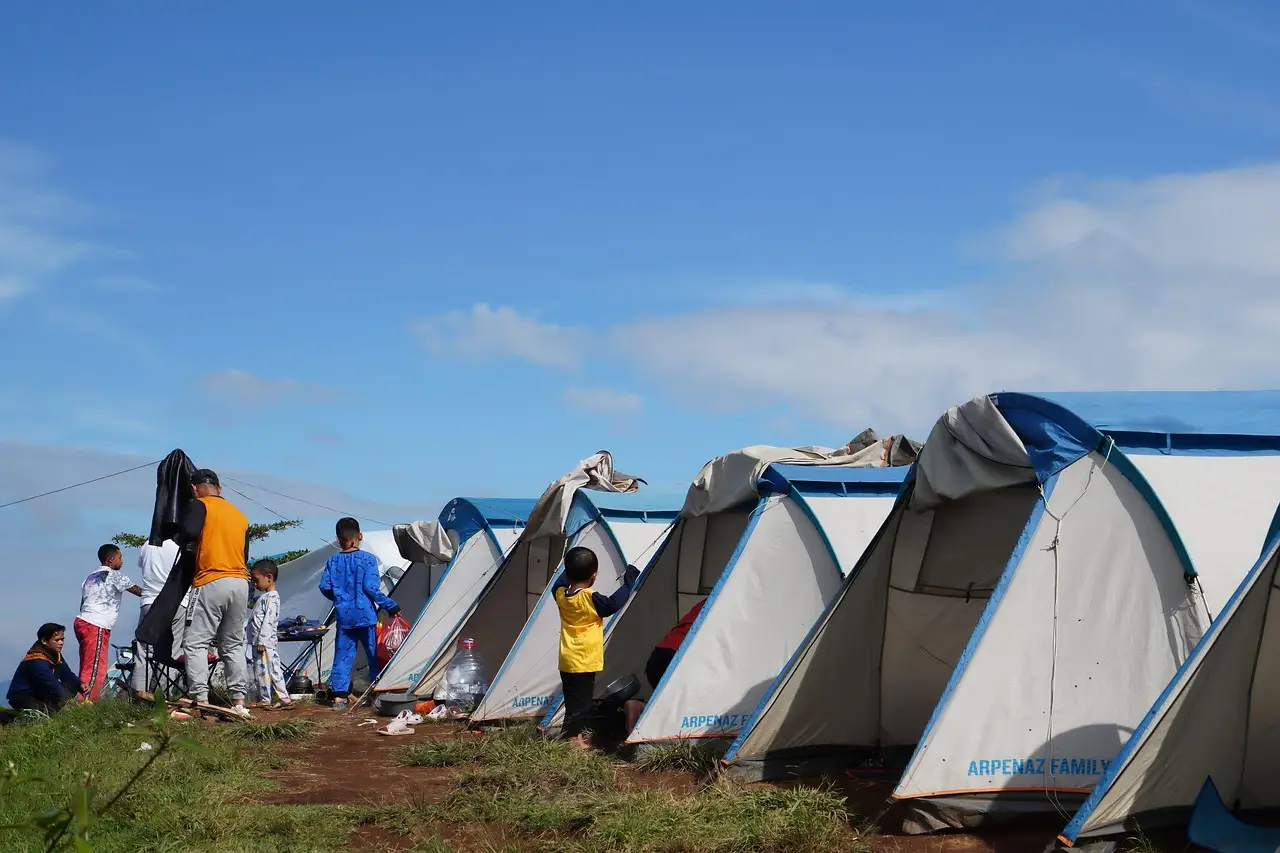
For Rohingya families living in Bangladesh, the judgment brings international recognition of their suffering, but it does not immediately change their living conditions. According to the United Nations refugee agency, more than 1.3 million Rohingya remain displaced across the region, most of them in Bangladesh. Many fled during the 2017 military crackdown, which forced more than 700,000 people across the border.
Reuters reported that refugees welcomed the judgment but continue to face difficult conditions in overcrowded camps. Many say they want to return home — provided their safety, rights and dignity are guaranteed. The United Nations has stressed that lasting solutions require addressing the root causes of displacement, including access to citizenship and protection.
Can the ruling actually be enforced?
That question now sits at the centre of the case. Although ICJ judgments are legally binding, the court has no independent enforcement force. If Myanmar fails to comply, the matter could be brought before the United Nations Security Council, where political divisions may complicate further action.
The judgment is a significant legal milestone. Its lasting impact will depend on two things: whether Myanmar fulfils its obligations, and whether the international community maintains pressure to ensure accountability.
For the Rohingya, the next measure of justice will not be the verdict alone. It will be whether the ruling helps them rebuild their lives, reunite their families and eventually return home safely.
via newsofbahrain.com (Source)
More from Marcus Bennett
Show full bio
Staff writer covering money, funding and market shifts around Immigration and mobility policy worldwide at Passport File.
384 articles