Work & SkillsEntry PF-526411 · Page 28 · Stamped OCT 16, 2026
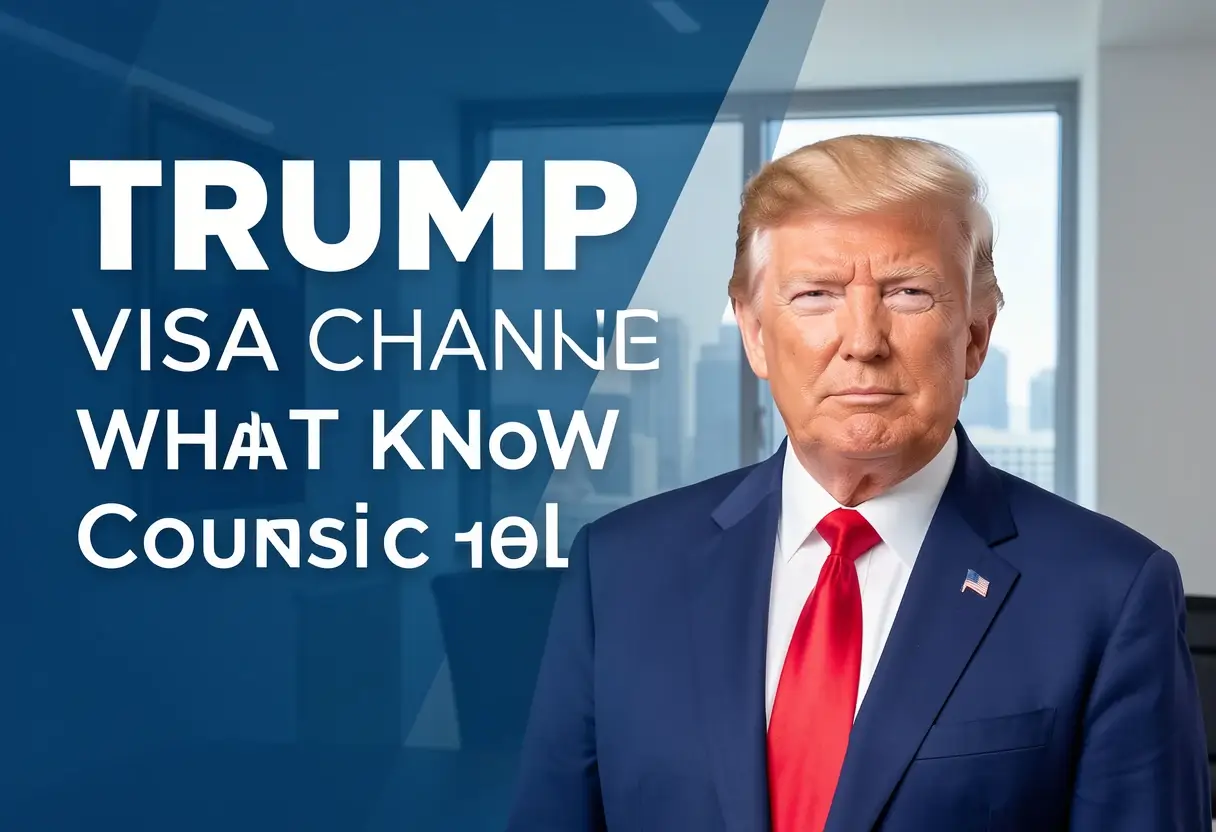
Trump Moves to Reshape the H-1B Program: What Changed
President Trump's administration has changed the H-1B skilled-worker visa program. The Council on Foreign Relations explains what the new rules mean for applicants and U.S. employers.
- Programme
- Work & Skills
- Filed
- Reading
- 1 min
Entry details
- The Trump administration has changed the U.S. H-1B skilled-worker visa program
- The Council on Foreign Relations published an explainer titled "Trump's H-1B Visa Change: What to Know"
- The H-1B program covers foreign workers in specialty occupations and is capped by statute
- The changes affect filing, selection under the cap, and employer obligations
The administration of President Donald Trump has altered the H-1B skilled-worker visa program, and the Council on Foreign Relations has published an explainer setting out what applicants and employers need to know.
The H-1B visa allows U.S. companies to hire foreign workers in specialty occupations. The program has long carried a statutory cap, and demand has exceeded supply in most recent years, forcing a lottery to allocate visas. The CFR briefing walks through how the new policy changes that system and what it means for employers and candidates.
What does the change affect?
According to the Council on Foreign Relations, the new measures touch several parts of the H-1B pipeline:
- How petitions are filed and selected under the annual cap
- Eligibility requirements for foreign workers in specialty occupations
- Obligations placed on U.S. employers who sponsor candidates
The CFR explainer, titled "Trump's H-1B Visa Change: What to Know," is designed as a guide for readers tracking U.S. immigration policy under the current administration.
Who should follow this?
The change matters to three groups: foreign professionals seeking U.S. employment in specialty occupations, U.S. companies that sponsor H-1B workers, and immigration practitioners who file petitions on their behalf.
Because the H-1B program is capped by statute and oversubscribed in most years, any adjustment to selection or eligibility rules shifts outcomes for thousands of applicants. Readers should rely on the Council on Foreign Relations explainer and official U.S. government sources for the precise terms, dates, and filing requirements now in force.
The Council on Foreign Relations has provided the reference point; applicants and employers should consult the official guidance it cites before acting.
via GN New Visa Programmes (Source)
More from Nathan Brooks
Show full bio
Correspondent covering regulation, policy and their impact on Immigration and mobility policy worldwide at Passport File.
361 articles