Visa PolicyEntry PF-116312 · Page 41 · Stamped NOV 06, 2026
US Congress Shift: What Democratic Control Means for African Immigration
Democrats now control both chambers of the US Congress. Nigerian visa issuances fell 50.2% to 48,669 in 2025 — but oversight, not reversal, is what practitioners should expect.
- Programme
- Visa Policy
- Filed
- Reading
- 4 min
Entry details
- Non-immigrant visas issued to Nigerians fell 50.2% to 48,669 in 2025, from 97,369 in 2022.
- Democrats won both chambers of the US Congress in the November 3 midterm elections.
- About 2.5 million sub-Saharan African immigrants live in the United States (Pew/MPI data).
- The H-1B annual cap and employment-based limits are set by legislation, requiring congressional action to change.
- The president retains veto power and authority over consular visa decisions.
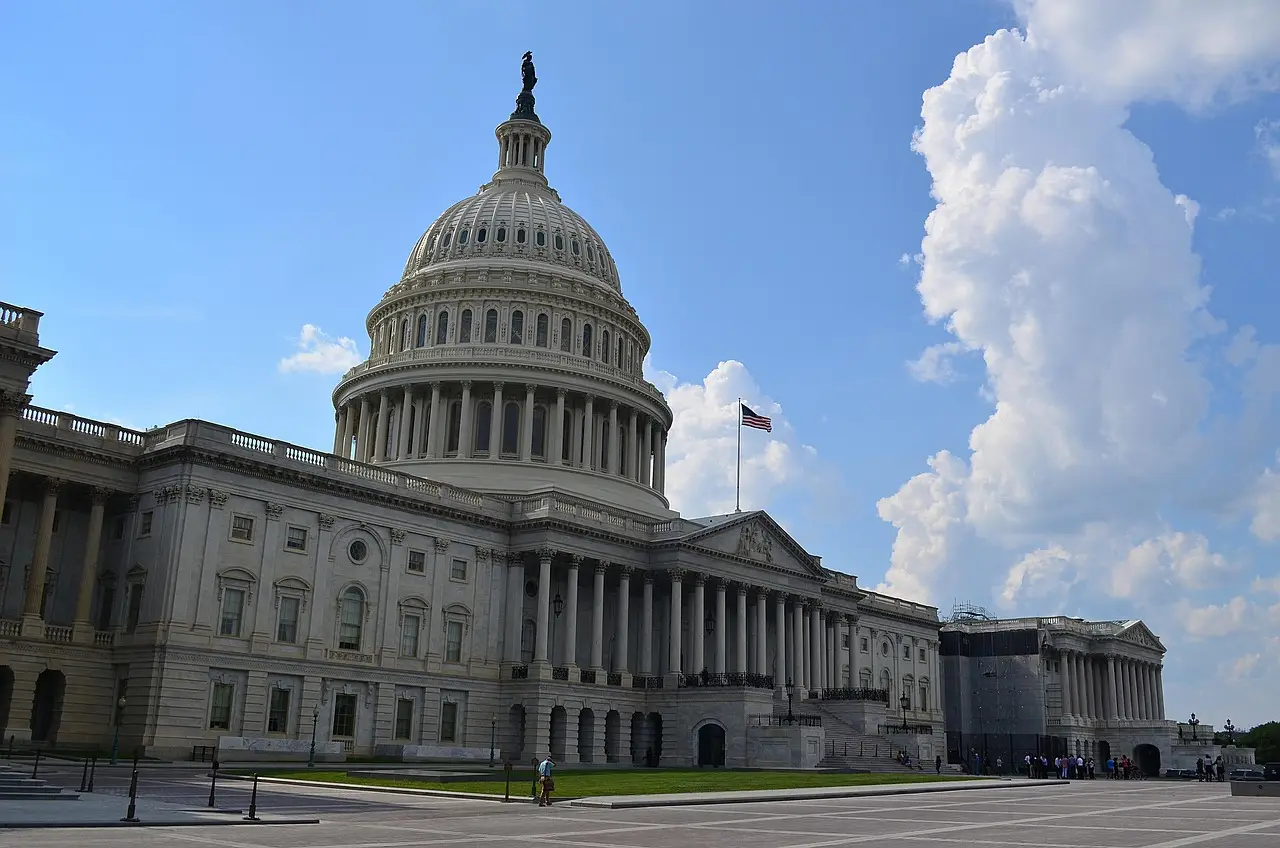
Non-immigrant visas issued to Nigerians fell 50.2 per cent to 48,669 in 2025, from 97,369 in 2022 — and Democrats' capture of both chambers of the US Congress on November 3 will not automatically reverse the trend. The midterm results strip President Donald Trump of his legislative advantage and open a new contest over immigration, trade and foreign policy, but the executive branch keeps most of the power over who enters the United States.
The figures come from an analysis of US Department of State data covering more than 40 non-immigrant visa categories. The decline coincided with immigration and consular policy changes introduced after Trump returned to the White House in January 2025, although the numbers alone do not prove those changes caused the entire reduction.
Who gains first: immigrants already inside America
Roughly 2.5 million sub-Saharan African immigrants live in the United States, according to the Pew Research Center and the Migration Policy Institute. New York immigration lawyer Latoya McBean Pompy of McBean Immigration Law draws a sharp line between them and applicants abroad.
"If the Democrats take control of one chamber, it can make a very significant difference for immigrants inside of the US, not those outside of the US," she said.
With both chambers now Democratic, she expects stronger congressional scrutiny of the Department of Homeland Security (DHS) and US Citizenship and Immigration Services (USCIS). Applicants facing delays or denials could benefit through hearings, investigations and demands for agency reports on backlogs. Oversight may also cover deportation practices and detention conditions.
Takeaway: investigations bring transparency and pressure, but they do not reverse individual case decisions.
What changes for visa applicants abroad?
Very little, in the short term. Congress has no authority over individual visa adjudications, and the president retains control of entry policy.
"For those outside of the United States, however, the executive still has a tremendous amount of authority and power over what happens on the policy side of allowing people into the US," McBean Pompy said. "I think it will still remain tough for individuals outside of the United States to get a visa."
This matters most for H-1B applicants. The programme lets US employers hire foreign professionals for specialised occupations in technology, healthcare and financial services. The annual H-1B cap and employment-based limits sit in legislation; Congress could change them, but consular procedures remain with the executive.
Foreign affairs analyst Fortun Abang sees openings for developing countries but warns against expecting quick results.
"While I acknowledge that the Democrats' win and control of key legislative departments might signal a potential shift in US-Africa engagement, we shouldn't be too hasty in assuming they will immediately sweep in and change everything," he said. He argues Democrats hold legislative leverage to roll back restrictions, cut backlogs and rejection rates, and expand legal pathways for African professionals and students.
What happens to trade, tariffs and aid?
African exporters have faced uncertainty over tariffs and shifting trade arrangements. A Democratic majority could scrutinise unilateral tariff decisions, hold hearings and try to limit the president's delegated trade powers. Yet Congress has historically delegated that authority, so control of the chambers does not reverse existing measures.
Foreign affairs expert Robinder Sachdev said the midterms will not disrupt ongoing bilateral trade talks with countries such as Nigeria and India: "The results of these midterms will not, as such, impact the trade deal being discussed."
Democrats may also push to restore development funding cut by the Trump administration, subject to appropriations and White House negotiations.
What can states do?
Jennifer Oyelade, director of Transquisite Consulting, highlights the role of individual US states. States shape professional licensing, healthcare employment rules, workforce recruitment and access to public services, but they cannot grant federal visas or set acceptance rates. States with labour shortages may recruit African doctors, nurses and engineers, yet federal immigration requirements still gate access to those jobs.
Where are the limits?
Separation of powers caps what Democrats can do. Congress can investigate, fund and legislate, but the president can veto bills. The Iran war adds pressure: Center for International Policy executive vice-president Matt Duss expects hearings and "possibly to move forward with an impeachment" targeting Defense Secretary Pete Hegseth. Analyst Waiel Awwad predicted a congressional vote "before going for any military action".
Samuel Eziokwu of the Human Rights Awareness Initiative urged observers to look beyond party labels: "Once you enter the National Assembly or Congress, your allegiance to the party is reduced drastically because there is a separation of powers."
Abang's closing warning applies to practitioners planning client strategies: treat US policy shifts as systemic risk. Students, medical travellers and professionals abroad need contingency plans, whatever party holds Congress.
via GN Immigration Policy (Source)
More from Priya Raman
Show full bio
Market editor covering people, launches and day-to-day practice in Immigration and mobility policy worldwide at Passport File.
400 articles