Borders & EnforcementEntry PF-674639 · Page 32 · Stamped OCT 08, 2026
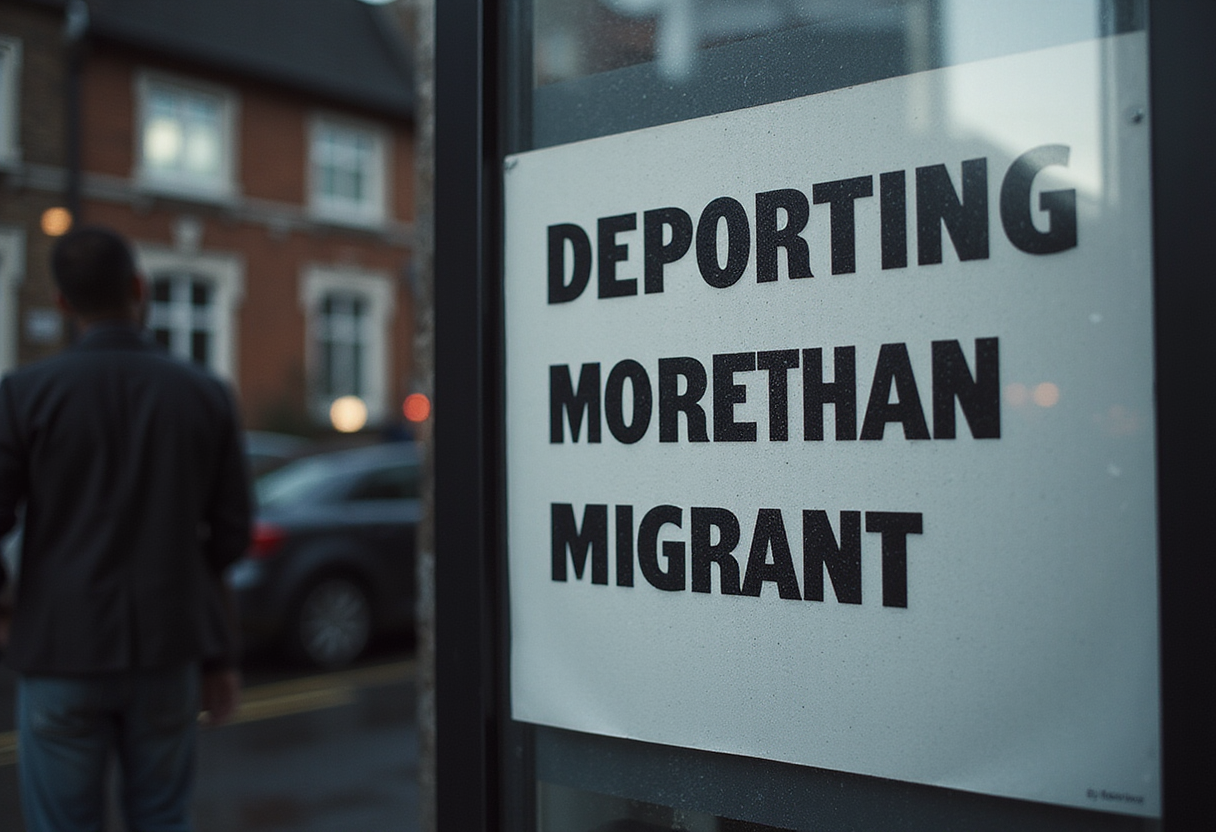
US Deported Over 500 Migrants to African Third Countries: HRW
HRW accuses the US of deporting over 500 migrants to African third countries they have no connection to, raising due-process and protection concerns.
- Programme
- Borders & Enforcement
- Filed
- Reading
- 3 min
Entry details
- HRW accuses the US of deporting more than 500 migrants to third countries in Africa
- The deported migrants had no connection to the receiving African states, HRW says
- Third-country removals send people to nations other than their country of origin
- The accusation was reported by Plataforma Media on 16 June 2025
Human Rights Watch (HRW) has accused the United States of deporting more than 500 migrants to third countries in Africa — nations to which those migrants have no connection, according to the organization's assessment reported by Plataforma Media on 16 June 2025.
The figure marks one of the largest documented uses of third-country removals to the African continent, a practice in which deported individuals are sent not to their country of origin but to a third state that agrees to receive them.
What does the accusation involve?
According to HRW, the US immigration system removed over 500 migrants and sent them to African countries. Third-country deportation differs from standard removal in two key ways:
- The deporting state sends the person to a country other than their own;
- The receiving country typically has no legal, familial or linguistic link to the individual.
For migrants, the consequence is severe: arrival in a state where they may lack documentation, community ties, consular support or the ability to speak the local language.
Who is affected?
The more than 500 migrants covered by the HRW accusation include people who had been in US immigration proceedings and were removed under agreements the United States reached with third countries. HRW's core criticism is that these individuals were sent to African states to which they had no prior connection, rather than being returned to their countries of origin.
The organization argues that this practice exposes deported people to serious risk, because they arrive in unfamiliar jurisdictions without established support networks or legal status guarantees.
Why do third-country removals raise concerns?
Under conventional deportation, a state returns a foreign national to their country of citizenship. Third-country removals operate on a different logic: the deporting government transfers the person to a partner state, often under a bilateral arrangement.
Human rights organizations, including HRW, have repeatedly questioned this mechanism on several grounds:
- The receiving country may have weak asylum systems or limited capacity to integrate arrivals;
- Deported people may be unable to challenge the transfer before it happens;
- Individuals can end up in legal limbo, holding no recognized status in either the deporting or the receiving state.
The HRW accusation places the more than 500 removals to Africa within this broader debate.
What happens next?
The accusation puts pressure on US immigration authorities to disclose the legal basis, the list of receiving countries and the safeguards applied in each removal. As of the Plataforma Media report, the US government had not publicly detailed its response to HRW's claim.
For migrants currently in US proceedings who fear removal to a third country, immigration practitioners typically advise monitoring official announcements from US Immigration and Customs Enforcement (ICE) and the Department of Homeland Security (DHS). Readers should consult a licensed immigration lawyer for case-specific guidance; this article does not provide legal advice.
Why this matters
The number — more than 500 — gives the accusation weight. If confirmed, it would represent a substantial expansion of third-country removals directed at African states, a practice previously associated mainly with transfers to countries closer to the American hemisphere.
HRW's allegation, as relayed by Plataforma Media, frames the policy as a due-process and protection problem: people removed across an ocean to countries they have never lived in face immediate practical and legal vulnerability.
Passport File will continue to track official US government statements, the identities of the receiving countries and any verification of the HRW figure as further information becomes available.
via GN Deportations (Source)
More from Priya Raman
Show full bio
Market editor covering industry trends and analytics at Passport File.
131 articles