Visa PolicyEntry PF-499468 · Page 13 · Stamped SEP 29, 2026
US Final Rule Caps Student Visa Stays at 4 Years
The Trump administration has finalized a rule capping US student visa stays at 4 years, replacing open-ended duration-of-study terms for international students.
- Programme
- Visa Policy
- Filed
- Reading
- —
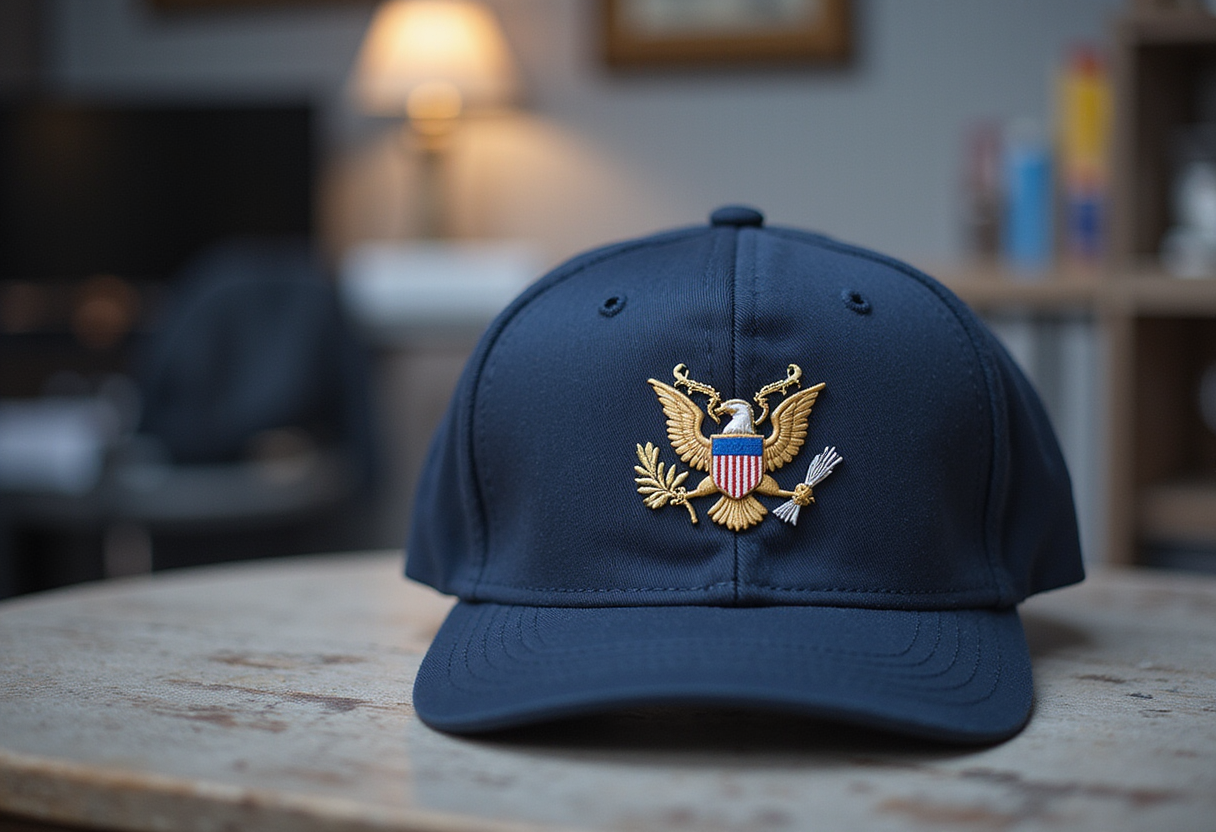
Entry details
- The Trump administration issued a final rule capping student visa stays at 4 years.
- The rule replaces the previous open-ended duration-of-study framework with a fixed limit.
- The change affects international students in the US and the universities that enroll them.
The Trump administration has issued a final rule capping student visa stays in the United States at 4 years, according to a report by Higher Ed Dive.
The rule introduces a fixed ceiling on how long international students may remain in the country on student visas. Under the previous system, students could stay for the duration of their studies. The final rule replaces that open-ended framework with a hard 4-year limit.
The change comes from the administration's push to tighten student visa policy. Higher Ed Dive reports on the final rule, which follows earlier proposals that drew concern from universities and higher education groups across the United States.
Who is affected
The rule applies to international students studying in the United States on student visas. Students whose programs extend beyond the 4-year cap, as well as those pursuing longer academic paths, will face new constraints on their permitted length of stay.
Universities and colleges that enroll large numbers of international students will also feel the effects, as the rule changes the terms under which they host visa-holding students.
What changes
The central change is numerical and simple: student visa stays are now capped at 4 years. The rule is final, meaning it has completed the federal rulemaking process and carries the force of regulation rather than remaining a proposal.
Students who need to remain in the United States beyond the cap would need to address their status under the new framework once the rule takes effect. The specifics of extension procedures, eligibility thresholds, and application steps are set out in the final rule published by the administration.
Why it matters
The United States hosts one of the largest international student populations in the world. A fixed 4-year limit changes the basic bargain for those students: instead of staying as long as their studies last, they now face a hard deadline.
Degree programs in the US typically run 4 years at the undergraduate level, which places many students right at the edge of the new cap. Any delays, program changes, or longer courses of study would push students past the limit under the final rule.
Higher education advocates have warned that tighter visa rules could make the United States a less attractive destination for international students compared with competitor countries. The final rule represents a significant shift in that direction.
What students should do
Affected students should consult the official text of the final rule as published by the US government, and check guidance from their university's international student office. Individual situations vary, and this report does not constitute legal advice for any specific case.
The Department of Homeland Security and US Citizenship and Immigration Services publish official guidance on student visa rules, and those sources remain the authoritative reference for how the 4-year cap applies in practice.
Passport File will continue to track the implementation of this rule and its effective date as further official details emerge.
via GN New Visa Programmes (Source)
More from Nathan Brooks
Show full bio
Correspondent covering marketplaces and e-commerce at Passport File.
134 articles